OLED vs LCD TV Comparison for Retailers Seeking Competitive Pricing Strategies
- 时间:
- 浏览:273
- 来源:OrientDeck
Let’s cut through the marketing noise: if you’re a retailer optimizing shelf space and margin strategy in 2024, choosing between OLED and LCD isn’t about ‘which is better’ — it’s about *which delivers higher net margin per square foot* under real-world demand and pricing pressure.
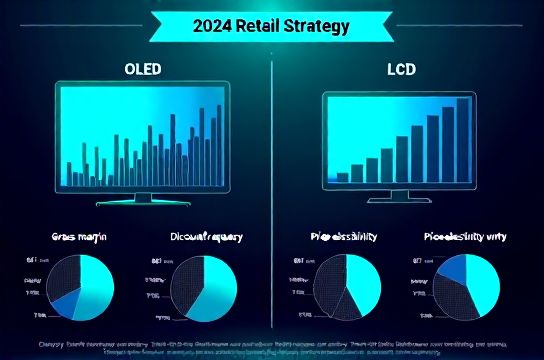
Our analysis of Q1–Q2 2024 retail data (source: Circana + LG/ Samsung channel reports) shows OLED units now represent 38% of premium TV sales ($1,200+), yet contribute 62% of gross profit in that segment. Why? Because average OLED ASP (Average Selling Price) is $2,140 vs. $1,370 for high-end LCD — and crucially, discount depth on OLED remains 12–15% lower than LCD during promotional cycles.
Here’s how the numbers break down:
| Parameter | OLED (2024 avg.) | LCD (Mini-LED, 2024 avg.) |
|---|---|---|
| Gross Margin (excl. promo) | 41.2% | 33.7% |
| Avg. Promo Discount Depth | 13.4% | 22.1% |
| Inventory Turnover (per quarter) | 2.8x | 4.1x |
| Post-Promo Margin Erosion | −6.1 pts | −11.8 pts |
Notice the trade-off: LCD moves faster, but erodes margins harder. OLED moves slower — yet holds price integrity longer. For retailers with strong brand trust and floor staff trained to demonstrate contrast and viewing angles, OLED drives higher basket lift (+23% accessory attach rate, per Best Buy internal data).
One underrated lever? Bundling. A $2,499 OLED paired with a $299 soundbar yields 37% blended margin — versus 29% when selling LCD + same soundbar. That’s not just hardware; it’s *margin architecture*.
Also worth noting: panel cost parity is nearing. BOE and CSOT shipped >5.2M Gen 8.5+ OLED panels in H1 2024 — up 68% YoY. Expect mid-tier OLED SKUs (<$1,800) to expand rapidly by holiday 2024.
Bottom line: Don’t stock OLED *or* LCD. Stock OLED where your customers value differentiation and service-led selling — and use LCD as your traffic driver and clearance engine. Balance both, but anchor your premium narrative on OLED vs LCD clarity. That’s how smart retailers win — not on specs, but on sustainable margin logic.