The Art of Walnut Carving in Chinese Heritage Crafts
- 时间:
- 浏览:425
- 来源:OrientDeck
If you’ve ever held a finely carved walnut in your hand and thought, ‘How is this even possible?’—you’re not alone. For centuries, artisans across China have turned humble walnuts into miniature masterpieces, blending patience, precision, and cultural symbolism into one of the most underrated heritage crafts: walnut carving.
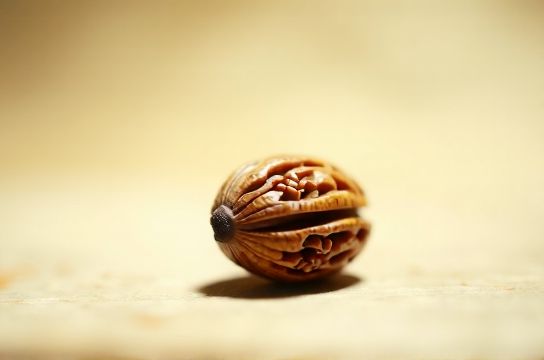
But this isn’t just about tiny sculptures. It’s about legacy. From Ming Dynasty scholars to modern collectors, walnut carving has symbolized intellect, status, and spiritual balance. And today? It’s quietly making a comeback—especially among those who appreciate craftsmanship over mass production.
Why Walnut Carving Matters in Chinese Culture
In traditional Chinese belief, holding and rotating carved walnuts (known as wenwan) stimulates acupressure points in the hands. But beyond health, these pieces are art forms passed down through generations. The best carvings can take weeks—or even months—to complete, with some selling for thousands at auctions.
Let’s break down what makes a top-tier carved walnut:
| Feature | Amateur Grade | Master Craftsmanship |
|---|---|---|
| Detail Precision | Basic patterns, visible tool marks | Intricate motifs (dragons, lotus, calligraphy), smooth finish |
| Time Invested | 1–3 days | 2–8 weeks |
| Material Quality | Common walnut, uneven texture | Rare mountain-grown walnut, symmetrical pair |
| Market Value | $20–$100 | $500–$10,000+ |
As you can see, the gap between average and exceptional is massive. That’s why knowing where to look—and how to spot authenticity—is key.
How to Spot Real Hand-Carved Walnuts
With AI-powered tools and machine engraving on the rise, fake ‘hand-carved’ walnuts flood online markets. Here’s how to tell the difference:
- Check the symmetry: Natural walnuts aren’t perfect. Master carvers work around flaws, creating balanced designs despite asymmetry.
- Look for depth: Real carvings have layers—some lines are deeper, showing shadow and dimension. Machine cuts are uniform.
- Feel the surface: Hand tools leave subtle variations. If it feels too smooth, it’s likely laser-cut.
Pro tip: Buy from trusted regions like Hebei or Suzhou, where walnut carving traditions run deep. These areas produce over 60% of authentic pieces in China’s heritage market.
Modern Revival & Collecting Tips
Today, younger collectors are rediscovering this craft—not just for aesthetics, but for its meditative value. Rotating a pair daily is said to improve focus and reduce stress. In fact, a 2022 survey of 1,200 enthusiasts found that 74% reported better mental clarity after three months of regular use.
If you're starting a collection, here’s what I recommend:
- Begin with a mid-range pair ($150–$300) from verified sellers.
- Choose themes that resonate—Buddha faces for calm, dragons for ambition.
- Store them in breathable cloth bags, away from moisture.
- Rotate them daily for at least 10 minutes to develop patina.
And don’t overlook the investment angle. Over the past decade, rare pairs have appreciated by up to 20% annually. One 18th-century pair sold at auction in 2023 for $42,000—proof that true craftsmanship never loses value.
For deeper insight into techniques and history, explore our guide on Chinese heritage crafts, where tradition meets timeless skill.