Evaluating Quality in Ming Style Antique Cabinets
- 时间:
- 浏览:329
- 来源:OrientDeck
If you're diving into the world of Chinese antique furniture, Ming style antique cabinets are a top-tier choice—sleek lines, timeless elegance, and craftsmanship that’s stood the test of time. But not all pieces are created equal. As a longtime collector and advisor to high-end buyers, I’ve seen everything from museum-grade treasures to mass-produced fakes. Let me break down what truly separates quality Ming style cabinets from the rest.
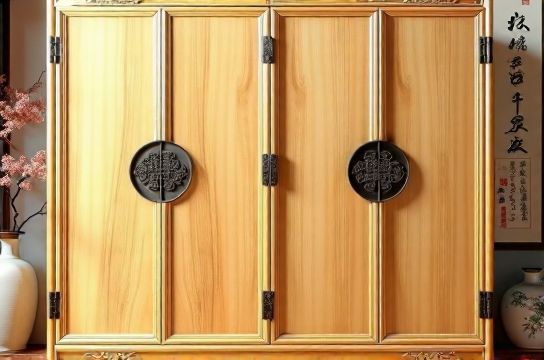
What Makes a Ming Cabinet 'High Quality'?
The golden era of Ming furniture (1368–1644) valued simplicity, symmetry, and natural materials. Authentic or well-crafted reproductions should reflect these principles. Here’s what to look for:
- Wood Type: Huanghuali (yellow rosewood) is the holy grail. Today, it's rare and expensive—often over $20,000 per ton. Alternatives like zitan or modern hardwoods like ash or birch are common but less valuable.
- Joinery: No nails or glue. Traditional mortise-and-tenon joints are a must. Wobbly corners? That’s a red flag.
- Proportions: The best pieces follow feng shui and ergonomic harmony. A cabinet too tall or too narrow loses balance.
- Finish: Hand-rubbed lacquer or wax—not shiny polyurethane. It should feel smooth but not plastic-like.
Real vs. Replica: Spot the Difference
Many so-called “antiques” are actually modern reproductions sold at inflated prices. Use this quick-reference table:
| Feature | Authentic Ming Cabinet | Modern Replica |
|---|---|---|
| Age | 300–600 years | Under 50 years |
| Wood Source | Huanghuali or Zitan | Ash, Elm, or Reclaimed Wood |
| Weight | Heavy (solid wood) | Lighter (sometimes hollow panels) |
| Price Range | $10,000–$100,000+ | $1,000–$10,000 |
| Joinery | Hand-cut mortise & tenon | Machine-made, may use screws |
Pro tip: Tap the surface. Solid huanghuali has a deep, resonant sound. Plywood or composites sound dull.
Where to Buy Smart
I always tell clients: provenance matters. Buying from auction houses like Poly Auction or China Guardian gives authenticity certificates. For repros, reputable workshops in Suzhou or Beijing offer handcrafted Ming style antique cabinets using traditional methods—just be clear on what you’re paying for.
The Bottom Line
Whether you're furnishing a home or building a collection, focus on craftsmanship over age. A well-made replica can outshine a damaged original. Measure twice, buy once—and never skip the wood grain check.