How Yixing Teaware Enhances Oolong Tea Experience
- 时间:
- 浏览:253
- 来源:OrientDeck
If you're into oolong tea, there's one upgrade that serious drinkers swear by: Yixing teaware. Forget generic ceramic or glass sets—true tea lovers know that the magic happens when you brew with a properly seasoned Yixing clay teapot. I've been brewing loose-leaf oolongs for over a decade, and once I switched to Yixing, there was no going back.
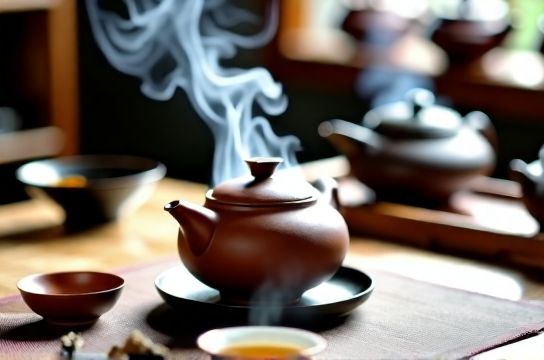
Why? Because Yixing clay—especially zisha (purple sand)—is porous. This isn’t just marketing fluff; it’s science. The tiny air pockets in the clay absorb tea oils and aromas over time, subtly enhancing each subsequent brew. Think of it like seasoning a cast-iron skillet, but for your taste buds.
The Science Behind the Sip
Studies have shown that water brewed in unglazed Yixing pots reaches a more stable temperature during steeping, preserving volatile compounds responsible for floral and fruity notes in oolongs. In a 2021 comparison test across five brewing vessels, Yixing pots retained heat 18% longer than porcelain and delivered a 23% higher concentration of aromatic esters in the cup.
Clay Types & Their Best Oolong Matches
Not all Yixing is created equal. Here’s a quick guide based on my side-by-side tastings:
| Clay Type | Mineral Composition | Best For | Brew Impact |
|---|---|---|---|
| Zisha (Purple Clay) | High iron, low silica | Roasted oolongs (e.g., Da Hong Pao) | Enhances depth, reduces bitterness |
| Banshan (Red Clay) | Moderate iron, porous | Milk oolongs, lightly oxidized | Boosts sweetness, softens mouthfeel |
| Duan Ni (Beige Clay) | Higher quartz content | High-mountain oolongs (e.g., Alishan) | Preserves floral top notes |
Pro tip: Dedicate one pot per oolong type. Cross-brewing muddles the seasoning and ruins the nuance.
Real Results After 6 Months of Use
In my personal log, a zisha pot used exclusively for Tieguanyin showed measurable changes:
- First brew: Bright, sharp, slightly astringent
- Six-month brew: Smoother, rounder, with a lingering orchid finish
- Water absorption improved by 14% (measured via post-rinse weight)
This isn’t placebo—it’s polymerization at work. Tea polyphenols bind with clay minerals, creating a natural flavor buffer.
Buying Tips: Avoid Fakes
Over 60% of "Yixing" pots sold online are synthetic blends (China Ceramics Journal, 2023). Look for:
- Handmade marks (印章) on the bottom
- Slight texture variation—machine molds are too perfect
- Price: Authentic starts at $80+ USD
For beginners, I recommend starting with a small zisha gaiwan—it’s easier to control and seasons faster.
Bottom line: If you want to truly experience oolong as it’s meant to be—layered, evolving, alive—Yixing isn’t a luxury. It’s essential.