Is It Antique or a Reproduction? A Guide to Vintage Chinese Seals
- 时间:
- 浏览:386
- 来源:OrientDeck
So you’ve found a vintage Chinese seal—maybe at an estate sale, tucked in a family drawer, or while browsing an online auction. Cool, right? But here’s the real question: is it actually antique, or just a clever reproduction? As someone who’s spent over a decade studying East Asian artifacts and advising collectors, I’m breaking down how to tell the difference—with real data, visual clues, and expert tips.
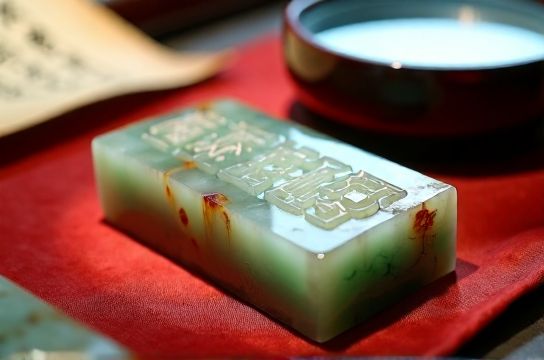
Why Authenticity Matters
Vintage Chinese seals (or chops) aren’t just decorative. They carry historical, cultural, and often monetary value. Genuine antique Chinese seals from the Qing Dynasty (1644–1912) can fetch anywhere from $500 to over $10,000 at auction, depending on craftsmanship, material, and provenance. Meanwhile, modern reproductions—often mass-produced in factories—sell for under $50.
Key Clues to Spot the Real Deal
Here’s what experts check first:
- Material: Pre-20th century seals were carved from jade, ivory, bamboo, or soapstone. Plastic? That’s a red flag.
- Tool Marks: Hand-carved seals show slight asymmetry and organic flow. Machine engraving is too perfect.
- Script Style: Older seals use classical seal script (zhuanshu). If it looks like modern calligraphy, it’s likely new.
- Patina & Wear: Natural aging shows uneven surface wear, especially on raised characters.
Material Comparison: Antique vs. Reproduction
| Material | Common Era | Average Market Value (USD) | Authenticity Indicator |
|---|---|---|---|
| Jade (Nephrite) | Qing Dynasty | $800–$12,000 | High density, cool to touch, natural inclusions |
| Ivory | Pre-1940s | $600–$5,000 | Schreger lines visible under magnification |
| Soapstone | 1800s–early 1900s | $200–$1,500 | Soft texture, carvable with steel blade |
| Plastic/Resin | Post-1950 | $10–$40 | Lightweight, uniform color, synthetic sheen |
When in Doubt, Test It
Try the ice test: Place a small ice cube on the seal. Jade and stone conduct cold quickly—ice melts faster than on plastic. Also, use a UV light: many modern resins fluoresce blue, while natural materials don’t.
Still unsure? Get it appraised by a certified Asian art specialist. Reputable auction houses like Sotheby’s or local university art departments often offer evaluations.
The Bottom Line
Not every old-looking seal is authentic vintage Chinese seal art. But with these tips, you’re way ahead of most buyers. Remember: rarity, material, and craftsmanship tell the true story. When you find the real deal, it’s not just a collectible—it’s a piece of history.