Protecting Your Silk Embroidery: Framing Lighting and Humidity Control
- 时间:
- 浏览:336
- 来源:OrientDeck
So you’ve got a stunning piece of silk embroidery—maybe it’s an heirloom, or perhaps you finally splurged on that gorgeous Chinese hand-stitched artwork. Either way, protecting your investment is key. As someone who’s reviewed dozens of textile preservation methods and worked with museum curators and collectors, I’m here to break down the real dos and don’ts when it comes to framing, lighting, and humidity control.
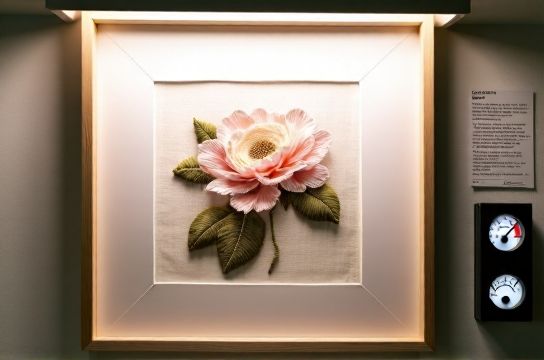
Framing: More Than Just Pretty Glass
You can’t just slap silk embroidery in any old frame. Acidic materials will yellow and weaken the fabric over time. Always opt for museum-quality framing with acid-free matting and backing. UV-protective glass isn’t a luxury—it’s essential. Did you know standard glass blocks only about 40% of UV rays? In contrast, conservation-grade glass filters up to 99%.
| Frame Material | UV Protection | Acid-Free? | Cost (USD) |
|---|---|---|---|
| Standard Glass + Wood Frame | 40% | No | $50–$80 |
| Conservation Glass + Aluminum | 99% | Yes | $150–$300 |
| Museum Acrylic + Composite | 97% | Yes | $200–$400 |
See the jump in price? It’s worth every penny if you’re preserving cultural art or family history.
Lighting: The Silent Killer of Silk
Here’s a hard truth: light—especially sunlight and fluorescent bulbs—breaks down silk fibers. Research from the Textile Conservation Centre shows that silk exposed to direct sunlight can lose up to 50% of its tensile strength in under 6 months.
- Avoid placing framed embroidery near windows.
- Use LED lights—they emit minimal UV and almost no heat.
- Keep light exposure under 50 lux for long-term display (that’s dimmer than your average reading lamp).
If you're showcasing your piece in a gallery-style setup, consider motion-sensor LEDs that only turn on when someone’s viewing it. Smart move, right?
Humidity & Temperature: The Invisible Threats
Silk thrives in stable environments. Fluctuations in humidity cause fibers to expand and contract, leading to warping or mold. The ideal range? 45–55% relative humidity and temperatures around 68–72°F (20–22°C).
Check this out: A 2021 study by the International Council of Museums found that silk stored at 65%+ humidity had a 3x higher chance of developing fungal growth within a year.
Invest in a simple digital hygrometer (under $20) and place it near your framed piece. If you live in a humid climate, use a small dehumidifier. For dry areas, a humidifier helps—but don’t overdo it!
Final Tips from a Preservation Pro
Let’s be real—most people won’t drop $400 on framing. But even budget-conscious collectors can make smart choices. Look for second-hand museum frames or repurpose old ones with new acid-free materials. And remember: always handle silk with clean, dry hands—or better yet, cotton gloves.
Want to go pro? Register your piece with a textile archive or appraise it through a certified conservator. Not only does this help with insurance, but it also increases its legacy value. Plus, you’ll get personalized care tips based on the embroidery’s age and origin.
In short: treat your silk embroidery like the delicate masterpiece it is. With the right humidity control, UV protection, and mindful display, it can last generations. That’s not just preservation—it’s storytelling.