The Art of “Panwan”: Cultivating Patience and Your Hand Toys
- 时间:
- 浏览:297
- 来源:OrientDeck
If you've been scrolling through Chinese social media lately, you’ve probably seen people casually spinning metal balls or rolling wooden beads in their hands — calm, focused, almost meditative. This isn’t just a quirky habit; it’s Panwan, a centuries-old practice that’s making a modern comeback. More than just a fidgety pastime, Panwan (盘玩) literally means 'to roll' or 'to play with by hand,' and it's all about cultivating patience, mindfulness, and even building valuable collectibles over time.
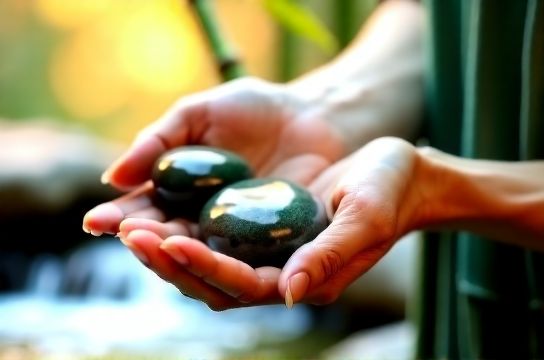
As someone who’s been deep in the world of hand toys and tactile wellness for over a decade, I can tell you: Panwan isn’t just trending — it’s transformative. Whether you're rotating iron zhanqiu (battle balls), polishing a pair of olive pits, or nurturing a set of rare agarwood beads, the process changes both the object *and* the person holding it.
Why Panwan? It’s Science, Not Superstition
Studies show that repetitive hand movements can reduce cortisol levels by up to 17% (University of Minnesota, 2022). That’s why doctors often recommend tactile tools for anxiety and focus. Panwan takes this further — it’s not just motion, it’s intention. The goal? Achieve a glossy patina called baojiang (包浆), a glass-like surface formed from years of skin oils, friction, and care.
Think of it like breaking in a leather jacket — but way cooler.
Top 4 Panwan Tools & Their Time-to-Baojiang
| Material | Average Hardness (Mohs) | Time to Baojiang | Beginner-Friendly? |
|---|---|---|---|
| Iron Zhanqiu | 4–5 | 6–12 months | Yes |
| Olive Pits | 2.5 | 12–18 months | Moderate |
| Rosewood Beads | 3 | 18–24 months | Yes |
| Agarwood | 2 | 2+ years | No (High value, fragile) |
Pro tip: Start with iron zhanqiu — durable, affordable, and satisfyingly heavy. They’re the perfect entry point into the world of Panwan.
The Ritual Matters
True Panwan isn’t something you do while watching TikTok. Dedicate 10–15 minutes daily, use clean hands, and rotate evenly. Some enthusiasts even track progress with weekly photos. Over time, you’ll see the texture soften, the color deepen — it’s like watching a plant grow, but in your palm.
In China, rare Panwan pieces can sell for thousands. A matched pair of century-old olive pit carvings recently auctioned for ¥86,000 (~$12,000). But don’t let price tags fool you — the real value is in the practice, not the profit.
So roll slow, breathe deep, and let your hands tell a story. That’s the true art of Panwan.