The Blue and White Obsession: A Guide to Chinese Porcelain Patterns
- 时间:
- 浏览:533
- 来源:OrientDeck
If you've ever wandered through an antique shop, scrolled luxury home decor sites, or binge-watched historical dramas, you’ve probably noticed one thing: everyone’s obsessed with blue and white porcelain. But not all patterns are created equal — some scream 'elegant Ming dynasty,' while others whisper 'cheap souvenir.' As a longtime collector and blogger obsessed with authentic ceramics, I’m breaking down the real deal so you can spot quality, history, and value at a glance.
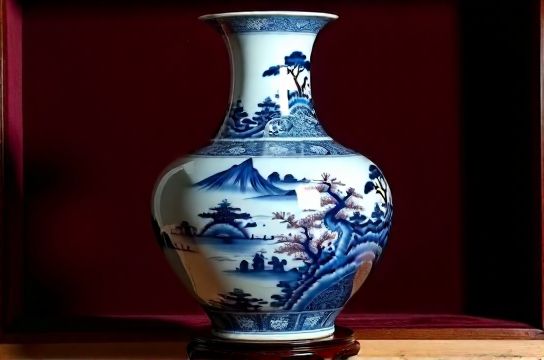
Why Blue and White? The History Behind the Hype
Chinese blue and white porcelain first exploded in popularity during the Ming Dynasty (1368–1644), thanks to cobalt oxide imported from Persia. The contrast of deep cobalt blue on pure white kaolin clay wasn’t just beautiful — it was revolutionary. By the 17th century, Europe was addicted. Records show the Dutch East India Company imported over 3 million pieces between 1602 and 1682 alone.
Decoding the Most Iconic Patterns
Not all swirls and florals mean the same thing. Here’s a quick guide to the top five patterns you’ll see — and what they actually signify:
| Pattern Name | Era | Key Features | Market Value (Avg.) |
|---|---|---|---|
| Hua Guo (Floral & Fruit) | Ming Dynasty | Pomegranates, peaches, lotus blossoms; symbolizes fertility and longevity | $8,000–$50,000+ |
| Dragon & Phoenix | Qing Dynasty | Imperial motifs; dragons = power, phoenix = harmony | $12,000–$100,000+ |
| Willow Pattern | 18th c. (British copy) | Bridge, willow tree, two lovers — actually a British myth! | $200–$2,000 |
| Bamboo & Scholar Rocks | Qing Dynasty | Scholarly elegance; bamboo = resilience | $3,000–$15,000 |
| Fish in Water | Ming & Qing | Symbolizes abundance; often eight fish for luck | $5,000–$25,000 |
Real vs. Replica: How to Tell the Difference
Here’s my golden rule: if it feels too perfect, it’s probably not old. Authentic pieces have slight brushstroke variations, subtle color gradients, and hand-painted imperfections. Modern reproductions? Machine-precise and unnervingly uniform.
Pro tip: Check the base. Antique blue and white porcelain often has a soft, slightly uneven glaze and may show signs of wear. Newer versions have crisp foot rings and factory stamps like “Made in China” — a dead giveaway.
Where to Buy (And Where NOT To)
eBay and Etsy? Risky. You’ll find gems, but also fakes labeled as “antique.” Stick to reputable auction houses (Sotheby’s, Christie’s) or certified dealers with provenance records. For budget-friendly options, look for modern artisan studios in Jingdezhen — the porcelain capital of China — that use traditional techniques.
Bottom line: Whether you’re decorating your home or starting a collection, understanding these patterns transforms you from a buyer into a connoisseur. And honestly? That Willow Pattern plate Grandma left you might be worth way more than you think — or it might just be a sweet reminder of her taste.