Beyond Green: A Collector’s Guide to Lavender White and Black Jade
- 时间:
- 浏览:285
- 来源:OrientDeck
If you think jade is just green, it’s time to level up your gem game. As a longtime collector and advisor in the world of fine jadeite, I’ve seen how lavender, white, and black jade are quietly stealing the spotlight — especially among discerning buyers who value rarity over flash.
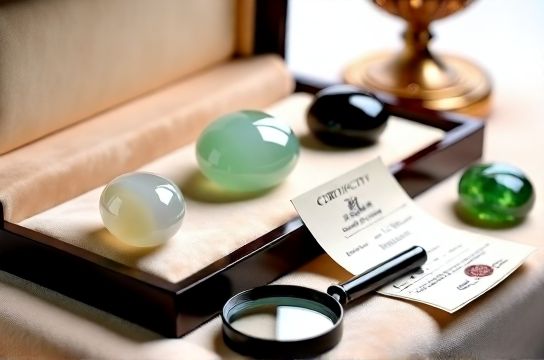
Forget what you know about common nephrite bangles. We’re diving into the elite tier of jadeite, specifically the non-green varieties that command serious prices at auctions from Hong Kong to Vancouver. Let me break down what makes each type special, how to spot quality, and why they might be smarter long-term investments than their emerald-toned cousins.
Lavender Jade: The Understated Power Player
Soft in color but strong in value, lavender jade (or "purple jade") ranges from pale lilac to deep orchid. Its hue comes from trace amounts of manganese — a subtle chemistry lesson with big financial implications.
Top-tier lavender jade is evenly colored, translucent, and free of cloudiness. It’s often carved into delicate pendants or minimalist rings favored by modern collectors. According to Sotheby’s 2023 Jewelry Auction Review, high-quality lavender pieces saw a 14% annual price increase over the past five years — outpacing green jadeite by 3 points.
White Jade (Mutton Fat Jade): Purity Over Pigment
Also known as "mutton fat" jade, this creamy-white variety is mostly nephrite, sourced primarily from Xinjiang, China. Don’t let the soft look fool you — its cultural significance runs deep. For centuries, it symbolized purity and moral integrity in Chinese aristocracy.
True mutton fat jade has a waxy luster and buttery texture. Translucency matters less here; density and feel are king. While not as flashy as green, top-grade white jade slabs have sold for over $20,000 per kilogram at regional trade fairs.
Black Jade: The Rare Rebel
Rare and mysterious, black jade isn’t truly black — it’s an extremely dark green or gray that appears black under most light. Genuine black jadeite is scarce, which is why many on the market are either dyed or mislabeled.
The real deal comes from Myanmar and shows slight translucency when backlit. Collectors love its dramatic contrast in carved pieces. At a 2022 auction in Taipei, a 58g black jadeite pendant sold for $187,000 — proof that darkness has its own kind of brilliance.
Jade Comparison: What Holds Value?
Here’s a quick breakdown of key traits across types:
| Type | Primary Source | Hardness (Mohs) | Avg. Price/kg (High Grade) | Rarity Index* |
|---|---|---|---|---|
| Lavender Jadeite | Myanmar | 6.5–7 | $15,000 | ★★★★☆ |
| White Nephrite (Mutton Fat) | Xinjiang, China | 6–6.5 | $22,000 | ★★★☆☆ |
| Black Jadeite | Myanmar | 6.5–7 | $30,000+ | ★★★★★ |
*Rarity Index based on market availability and verified auction data (2020–2023)
As you can see, black jade takes the crown for both price and scarcity. But remember — certification is critical. Always request a GIA or GUBLIN report before investing over $5,000.
Bottom line? The jade world is bigger than green. Whether you're drawn to the calm of lavender, the purity of white, or the intensity of black, these stones offer beauty, history, and serious collecting potential.