Are My Walnut Carvings Cracking? Common Causes and Fixes
- 时间:
- 浏览:301
- 来源:OrientDeck
If you're into wood carving, especially with rich, dense woods like walnut, you've probably asked yourself: are my walnut carvings cracking? You're not alone. Even seasoned artisans see cracks pop up now and then — but here’s the good news: most issues are preventable or fixable once you understand the why.
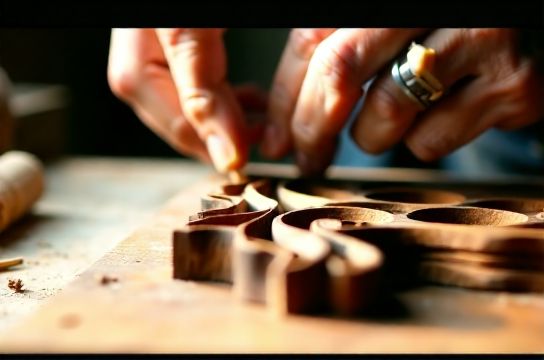
Why Does Walnut Crack?
Walnut is beloved for its deep grain and smooth finish, but it’s also hygroscopic — meaning it absorbs and releases moisture based on the environment. When humidity shifts too fast, the wood expands or contracts unevenly, leading to stress and, eventually, cracks.
The main culprits?
- Improper drying: Freshly cut (green) walnut must be kiln- or air-dried slowly. Rush this, and internal tension builds.
- Environmental swings: Moving a carving from a dry studio to a humid room can cause surface checks.
- Tool stress: Aggressive carving creates micro-tears that worsen over time.
Real Data: How Moisture Affects Walnut Stability
According to the USDA Forest Service, walnut performs best at an equilibrium moisture content (EMC) of 6–8%, which matches indoor environments at 35–50% relative humidity.
| Relative Humidity (%) | Temperature (°F) | Equilibrium Moisture Content (%) | Risk Level |
|---|---|---|---|
| 30% | 70 | 5.8% | Medium (shrinkage likely) |
| 45% | 70 | 7.2% | Low (ideal range) |
| 60% | 70 | 9.1% | High (swelling/cupping) |
| 75% | 70 | 12.4% | Very High (cracking risk) |
Keep your workspace in the 45–55% RH sweet spot — use a $15 digital hygrometer if you’re not already.
How to Fix Small Cracks in Walnut Carvings
Minor surface cracks? Don’t trash your piece yet. Try this pro-approved method:
- Stabilize the wood: Let it acclimate in your workspace for 1–2 weeks.
- Clean the crack: Use a soft brush or compressed air.
- Infiltrate with thin CA glue: Apply with a pin tip. It wicks deep via capillary action.
- Clamp lightly if edges meet; otherwise, let cure and sand flush.
For larger gaps, mix fine sawdust with epoxy for a seamless fill. Always test on scrap first!
Prevention > Repair
The best fix is stopping cracks before they start. Here’s how:
- Use properly seasoned walnut — never green wood unless you control the drying.
- Apply a stabilizing finish like cyanoacrylate or shellac to seal end grain.
- Store finished pieces away from vents, windows, or fireplaces.
- Rotate carvings occasionally to ensure even exposure.
And remember: every crack tells a story — but it doesn’t have to be the end of your masterpiece. Stay mindful of moisture, respect the wood’s nature, and your walnut carvings will last generations.