Focus on Bamboo: The Humble Material in High Chinese Art
- 时间:
- 浏览:289
- 来源:OrientDeck
If you're diving into the world of Chinese art, there's one material that quietly dominates both history and aesthetics — bamboo. Forget flashy jade or gilded bronzes for a second. Bamboo has been shaping Chinese culture, philosophy, and craftsmanship for over 2,000 years. And as someone who’s studied East Asian art for more than a decade, I can tell you: this isn’t just a plant — it’s a symbol, a tool, and an artistic medium all rolled into one.
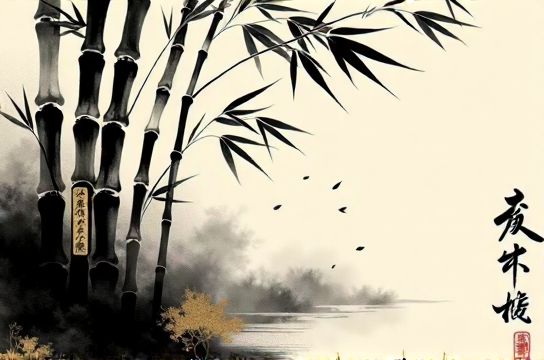
Why bamboo? Well, in Chinese tradition, it stands for resilience, humility, and integrity — thanks to its ability to bend without breaking in storms. Confucius himself praised it, and scholars during the Song Dynasty (960–1279) often painted bamboo strokes with ink to reflect their moral character. But beyond symbolism, bamboo was practical. It was used for brushes, scrolls, furniture, musical instruments like the dizi flute, and even architectural elements in scholar’s gardens.
Let’s break down why bamboo remains a cornerstone in high Chinese art — with some hard data to back it up.
Bamboo in Historical Artifacts (Selected Examples)
| Era | Artifact Type | Use of Bamboo | Museum/Collection |
|---|---|---|---|
| Han Dynasty (206 BCE–220 CE) | Writing Slips | Texts inscribed on strips for records and classics | Hunan Provincial Museum |
| Tang Dynasty (618–907) | Ink Painting Scroll | Bamboo subject in literati art | The Palace Museum, Beijing |
| Song Dynasty (960–1279) | Brush Holder (wenfang) | Carved bamboo desk item | National Palace Museum, Taipei |
| Ming Dynasty (1368–1644) | Furniture | Bamboo-weave chairs and cabinets | Metropolitan Museum of Art |
As you can see, bamboo wasn’t just background decor — it was central to how knowledge and beauty were preserved. Over 30,000 bamboo slips from the Warring States and Han periods have been unearthed in China, many containing lost philosophical texts. That’s not just art — that’s cultural survival.
Fast forward to today, and contemporary artists like Ai Weiwei have reimagined bamboo in large-scale installations. His 2015 piece at Chatsworth House used 30 tons of bamboo to create a canopy — a modern nod to ancient techniques. This blend of old and new keeps bamboo relevant in global art circles.
For collectors or enthusiasts, authentic bamboo artifacts — especially carved Ming or Qing dynasty brush holders — can fetch between $5,000 and $50,000 at auction. Condition and provenance matter, but so does understanding the craft. Look for fine detailing, natural patina, and historical accuracy in design.
If you're exploring Chinese art more deeply, don’t overlook the quiet strength of bamboo. It’s more than a material — it’s a philosophy in fiber form. Whether you're studying traditional ink painting or collecting antiques, bamboo offers a grounded entry point into one of the world’s oldest continuous artistic traditions.