The Truth About “Blood Amber”: Myths and Marketing Explained
- 时间:
- 浏览:416
- 来源:OrientDeck
Let’s cut through the noise—"blood amber" has been trending hard on social media, especially in skincare and wellness circles. But what exactly is it? And more importantly, is it worth the hype?
As someone who's spent years analyzing natural resins and their commercial use, I’ve seen how marketing can twist a simple material into something mythical. So today, I’m breaking down the facts about blood amber: what it really is, where it comes from, and whether it deserves a spot in your routine.
What Is Blood Amber, Really?
First things first: there’s no scientific or geological term called "blood amber." It’s a marketing name, not a classification used by gemologists or paleontologists. Real amber is fossilized tree resin, typically millions of years old, and most commercially available amber comes from the Baltic region (Poland, Russia, Ukraine) or the Dominican Republic.
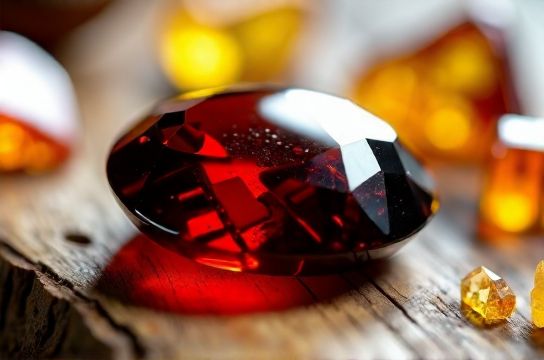
Blood amber usually refers to Baltic amber with a deep red or orange-red hue. This color develops due to oxidation and prolonged exposure to heat and air during fossilization. Think of it like rust on metal—it’s a natural aging process.
Why the Hype?
Sellers claim blood amber has stronger healing properties—especially for inflammation, teething pain in babies, or even boosting energy. But here’s the truth: no peer-reviewed study confirms that red amber differs chemically or therapeutically from regular yellow or golden amber.
In fact, succinic acid—the compound often credited for amber’s supposed health benefits—is present in similar concentrations across all types of Baltic amber. A 2016 analysis published in Organic Geochemistry found only minor variations in succinate levels regardless of color.
The Data Doesn’t Lie
Check out this comparison of amber types based on composition and market pricing:
| Type | Origin | Avg. Succinic Acid (%) | Color Range | Market Price (per gram) |
|---|---|---|---|---|
| Yellow Baltic | Baltic Region | 3.5–4.2 | Pale gold to honey | $0.80 |
| Blood Amber | Baltic Region | 3.7–4.1 | Red, cherry, cognac | $2.50 |
| Blue Amber | Dominican Republic | ~2.9 | Blue under UV light | $10.00+ |
Notice anything? Blood amber sells for over 3x the price of regular Baltic amber—but its chemical profile is nearly identical. That premium? It’s purely aesthetic and driven by branding.
So… Should You Buy It?
If you love the rich, bold look of red amber jewelry, go for it. It’s beautiful. But don’t pay extra expecting stronger effects. For everyday wear or natural wellness accessories, standard Baltic amber works just as well—and saves you serious cash.
Also, be wary of fakes. Some sellers dye cheap resin or use plastic to mimic the red hue. Always buy from reputable sources that provide certification.
The Bottom Line
"Blood amber" isn’t a miracle material—it’s regular amber with a flashy name. The real value lies in understanding what you're buying, not falling for clever labels. Stay informed, stay skeptical, and let facts—not filters—guide your choices.