The Art of Walnut Carving in Chinese Tradition
- 时间:
- 浏览:227
- 来源:OrientDeck
If you've ever held a finely carved walnut in your hand and thought, 'This can't be real,' welcome to the secret world of Chinese walnut carving—an ancient craft where patience meets precision. For centuries, artisans across China have transformed humble walnuts into intricate works of art, blending symbolism, skill, and spiritual meaning into palm-sized masterpieces.
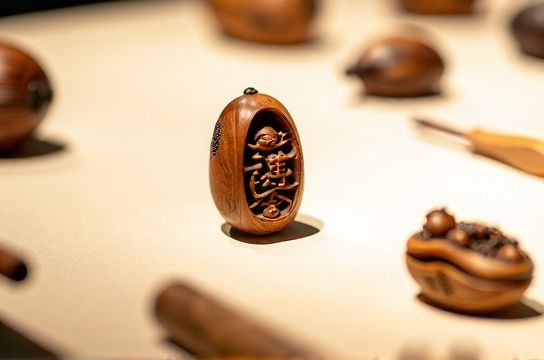
But this isn’t just about tiny dragons or calligraphy etched onto shells. Real walnut carving (known as “heqiao” or 核雕) is a high-stakes game of craftsmanship, especially with prices for premium pieces soaring past $10,000 at auctions. Let’s break down why these miniature marvels are more than just collectibles—they’re cultural time capsules.
Why Double-Shell Walnuts?
Not all walnuts are created equal. The preferred material? Wild double-shell mountain walnuts (Juglans cathayensis). These grow mainly in Sichuan, Yunnan, and Hebei—regions known for tough climates that produce dense, durable shells perfect for carving.
Here’s a quick comparison of common carving materials:
| Material | Hardness (Shore D) | Avg. Lifespan (Years) | Carving Difficulty |
|---|---|---|---|
| Wild Mountain Walnut | 85–92 | 80+ | ★★★★★ |
| Cultivated Walnut | 70–78 | 40–50 | ★★★☆☆ |
| Olive Pit | 65–70 | 30–40 | ★★★★☆ |
As you can see, wild walnuts dominate in durability and longevity—key traits for heirloom-quality carvings.
The Masters Behind the Micro-Art
Suzhou remains the epicenter of modern walnut carving tradition, with artists like Zhou Chunrong gaining national recognition. His 2021 piece, "Eight Immortals Crossing the Sea," took over 200 hours and sold for ¥128,000 (~$17,700). That’s not just skill—that’s obsession.
What sets top-tier carvers apart? Three things:
- Tool control: Using needles and micro-chisels under magnification.
- Theme depth: Mythological scenes, Buddhist motifs, or historical figures tell stories.
- Patina development: A well-handled piece gains a warm amber glow over decades.
How to Spot a Genuine Piece
Fake carvings flood online markets. Here’s how to avoid them:
- Check symmetry: Natural cracks should align between two halves if it's a pair.
- Look for tool marks: Real carvings show slight irregularities; machine-made ones are too perfect.
- Smell test: Authentic aged walnuts have a faint woody aroma, not plastic or varnish.
Pro tip: Collectors often use UV lights to detect resin coatings—a red flag for replicas.
From Pocket Charm to Investment Asset
In 2023, a Qing Dynasty walnut set sold for ¥2.1 million at Beijing Poly Auction. While most won’t hit those numbers, even modern artisan pieces appreciate 10–15% annually when properly curated.
Whether you're a collector, culture enthusiast, or just fascinated by human ingenuity, Chinese walnut carving offers a rare blend of history, artistry, and tangible heritage—all fitting in the palm of your hand.