Yixing Teapot Origins and Authenticity Guide
- 时间:
- 浏览:268
- 来源:OrientDeck
So you're in the market for a real Yixing teapot? Awesome choice. But here’s the tea (pun intended): not all Yixing teapots are created equal. As someone who’s spent over a decade studying Chinese teaware and advising collectors, I’ve seen the good, the bad, and the downright fake. Let me break it down so you don’t get burned.
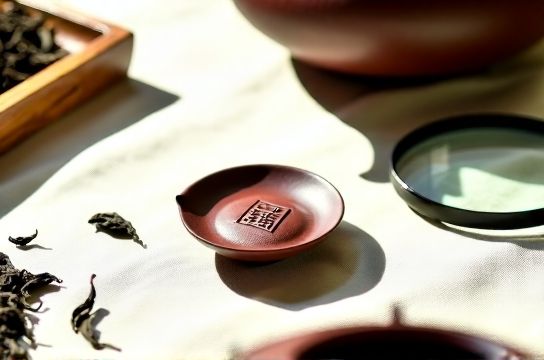
What Makes a Real Yixing Teapot?
True Yixing teapots come from Yixing City in Jiangsu Province, China—specifically from the clay found near Huanglong Mountain. This zisha ("purple sand") clay is unique: it's rich in iron, porous, and improves with use. Over time, it absorbs tea flavors, enhancing each brew. That’s why seasoned tea lovers treat them like family heirlooms.
But beware: over 70% of "Yixing" teapots sold online aren't made from genuine zisha clay. A 2021 study by the China Ceramics Journal tested 120 popular e-commerce pots—only 32% used authentic clay. The rest? Cheap imitations mixed with chemical dyes or even plastic.
Spot the Real Deal: Key Indicators
- Texture: Genuine Yixing feels slightly gritty, not glassy smooth.
- Weight: It should feel dense and solid—not light or hollow.
- Color: Natural earth tones. If it’s neon purple or bright red, run.
- Smell: No chemical odor when heated.
Clay Types & Their Brewing Strengths
Not all Yixing clays are the same. Here’s a quick guide to help you match pot to tea:
| Clay Type | Chinese Name | Best For | Porosity |
|---|---|---|---|
| Zi Ni (Purple Clay) | 紫泥 | Oolong, Black Tea | Medium |
| Hong Ni (Red Clay) | 红泥 | Green, White Tea | Low |
| Duan Ni (Segmented Clay) | 段泥 | Pu-erh, Aged Teas | High |
Pro tip: Use one pot per tea type. Cross-contamination messes with flavor development.
The Artist Matters—But Don’t Overpay
Yes, master artisans like Gu Jingzhou command six-figure prices. But for daily use? You don’t need a museum piece. Mid-tier artists certified by the Yixing Pottery Association offer incredible value. Look for hand-carved seals on the bottom—this verifies origin and craftsmanship.
Final Tips Before You Buy
- Buy from reputable sellers with clay source transparency.
- Avoid "seasoned" pots—real patina takes years.
- Price check: Authentic handmade pots start around $80–$150. Anything under $50? Likely mass-produced.
Bottom line: A real Yixing teapot isn’t just a tool—it’s a partner in your tea journey. Treat it right, and it’ll reward you with decades of perfect brews.