Cloisonné History and Cultural Significance
- 时间:
- 浏览:237
- 来源:OrientDeck
If you're into timeless craftsmanship that blends art, history, and luxury, cloisonné should already be on your radar. As a longtime observer of traditional decorative arts, I’ve seen how this ancient technique continues to captivate collectors and designers alike—not just for its beauty, but for its deep cultural roots and meticulous process.
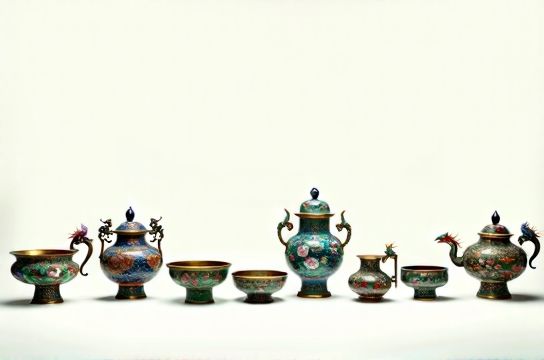
Cloisonné is a form of enamelwork where colored glass paste is fired within compartments (called 'cloisons' in French) made from thin metal wires, usually gold or silver. The result? Vibrant, glossy designs with sharp, intricate borders—each piece taking days, sometimes weeks, to complete.
Let’s break down why cloisonné stands out, especially when compared to similar techniques like champlevé or painted enamel.
The Origins: From Ancient Egypt to Imperial China
While early examples trace back to 13th-century BCE Egypt and Mycenaean Greece, it was during China’s Ming (1368–1644) and Qing (1644–1912) dynasties that cloisonné reached peak refinement. Beijing became the epicenter of imperial production, crafting vases, censers, and ritual objects adorned with dragons, phoenixes, and floral motifs.
In fact, according to the Palace Museum in Beijing, over 6,000 cloisonné artifacts from the Ming and Qing periods are preserved today—proving both its durability and enduring appeal.
Cloisonné vs. Other Enamel Techniques
Not all enamel work is created equal. Here’s a quick comparison:
| Technique | Method | Typical Use | Origin Period |
|---|---|---|---|
| Cloisonné | Enamel filled between wire cells | Vases, jewelry, religious items | 13th century BCE |
| Champlevé | Enamel poured into carved metal | Metal plaques, reliquaries | 9th century CE |
| Painted Enamel | Enamel painted directly on surface | Watches, miniatures | 15th century CE |
As you can see, cloisonné is one of the oldest and most labor-intensive methods—making authentic pieces highly collectible. A single high-quality cloisonné vase from the late Qing dynasty can fetch over $200,000 at auction, per Sotheby’s 2022 Asian Art Sale data.
Why It Still Matters Today
Modern artisans in China, Japan, and France still practice traditional cloisonné, preserving centuries-old techniques. But it’s not just about nostalgia—today’s designers are reimagining cloisonné in contemporary jewelry and home decor, merging heritage with modern aesthetics.
For collectors, key authenticity markers include:
- Smooth, even enamel surface without bubbles
- Precise wire alignment (no overlapping or gaps)
- Signature or hallmark from known workshops (e.g., ‘Jingtai’ period marks)
In short, cloisonné isn’t just decorative—it’s a symbol of cultural endurance, craftsmanship, and artistic identity. Whether you’re starting a collection or simply appreciate fine art, understanding its history adds depth to every glance.