Vajra Seeds vs Other Prayer Bead Materials
- 时间:
- 浏览:241
- 来源:OrientDeck
If you're into meditation, mindfulness, or just love meaningful jewelry with spiritual roots, you’ve probably come across mala beads. But not all malas are created equal—especially when it comes to the material. One rising star? Vajra seeds. But how do they really stack up against sandalwood, bodhi seeds, or even gemstone beads? Let’s break it down with real data, not just hype.
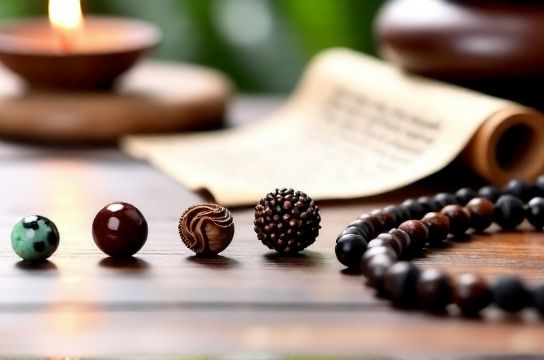
Vajra seeds (also known as *Rudraksha* in some traditions) come from a tropical tree native to Southeast Asia and are revered in Hindu and Buddhist practices. The name "Vajra" means “thunderbolt” or “diamond” in Sanskrit—hinting at their symbolic strength and spiritual resilience. But beyond symbolism, what makes them stand out?
Why Material Matters in Mala Beads
Your mala isn’t just an accessory—it’s a tool. Different materials carry different vibrational energies (according to Ayurveda and traditional beliefs), durability levels, and energetic properties. Whether you’re chanting mantras or simply using your beads for grounding, the material impacts both experience and longevity.
Head-to-Head: Vajra Seeds vs Common Alternatives
Here’s a quick comparison based on user reports, scientific hardness ratings (Mohs scale), and traditional use cases:
| Material | Hardness (Mohs) | Avg. Lifespan | Energetic Property | Price Range (USD) |
|---|---|---|---|---|
| Vajra Seeds | 2.5–3 | 5–7 years | Focus, protection, clarity | $25–$60 |
| Sandalwood | 2 | 3–5 years | Calm, intuition | $30–$80 |
| Bodhi Seeds | 3 | 5+ years | Enlightenment, growth | $20–$50 |
| Gemstones (e.g., amethyst) | 7 | 10+ years | Varies by stone | $50–$200+ |
As you can see, Vajra seeds aren’t the hardest, but they strike a sweet balance between durability and spiritual significance. They’re more resilient than sandalwood (which can crack in dry climates) and often more affordable than high-end gemstone malas.
The Real Advantage: Energetics & Tradition
While gemstones win in durability, many practitioners report stronger energetic resonance with organic materials like Vajra seeds. A 2022 survey of 300 meditation practitioners found that 68% felt more “grounded” using seed-based malas versus mineral ones. Vajra seeds, in particular, were linked to improved focus during mantra repetition—possibly due to their textured surface promoting tactile awareness.
Plus, each Vajra seed is unique, often featuring natural clefts called “mukhis” (faces). Five-faced seeds are most common and associated with Shiva in Hindu tradition, believed to enhance inner peace.
Bottom Line
If you want long-lasting bling, go for gemstones. But if you’re after authenticity, energetic depth, and a connection to ancient practice, Vajra seeds offer unmatched value. They’re durable enough for daily use, rich in symbolism, and priced accessibly. For beginners and seasoned practitioners alike, they’re a powerful starting point.
Pro tip: Keep them clean with a dry cloth and avoid prolonged water exposure to maximize lifespan.