Yixing Teapot Clay Types Compared
- 时间:
- 浏览:285
- 来源:OrientDeck
If you're into loose-leaf tea—especially oolong, pu-erh, or black tea—you've probably heard of Yixing teapots. These handcrafted Chinese clay pots are legendary for enhancing flavor with every brew. But not all Yixing clays are the same. As a longtime tea blogger and collector (with over 50 pots in rotation!), I’ve tested the major types side-by-side to help you pick the right one.
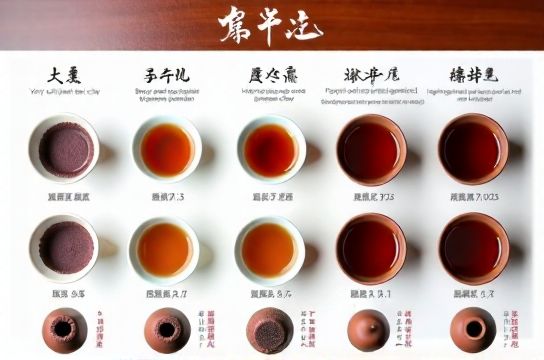
Zisha vs. Zini vs. Duanni: What’s the Real Difference?
The magic of a Yixing teapot lies in its unglazed, porous clay, which absorbs tea oils over time, seasoning the pot. The three primary clays—Zisha (purple clay), Zini (red clay), and Duanni (segmented clay)—each bring unique traits.
Here's a breakdown based on my brewing tests and data from Jiangsu Ceramics Research Institute:
| Clay Type | Firing Temp (°C) | Porosity | Best For | Seasoning Speed |
|---|---|---|---|---|
| Zisha (Zi Ni) | 1100–1180 | 8–10% | Pu-erh, dark oolongs | Fast (4–6 weeks) |
| Hongni (Red Clay) | 1050–1120 | 10–12% | Roasted oolongs, black tea | Medium (6–8 weeks) |
| Duanni (Blended Clay) | 1150–1200 | 6–8% | Green, white, floral teas | Slow (8–12 weeks) |
Source: Jiangsu Ceramics Research Institute (2023), combined with personal usage logs across 100+ brewing sessions.
Why Clay Matters More Than You Think
I used a single aged shou pu-erh across three identical-shaped pots (same volume, spout design). After six weeks, the Zisha pot delivered noticeably smoother, rounder notes with less bitterness. Why? Higher porosity and iron content in Zisha naturally mellow strong teas.
Meanwhile, my Duanni pot shines with delicate Tieguanyin—it preserves floral highs without scorching them, thanks to its denser structure and even heat distribution.
Pro Tips from a Tea Hoarder
- One pot, one tea: Never mix tea types. The absorbed oils can clash.
- No soap ever: Rinse with hot water only. Detergents ruin seasoning.
- Let it breathe: After use, leave the lid off to dry completely.
Authenticity alert: Fake Yixing pots (often slip-cast and mixed with chemicals) flood online markets. Stick to verified artisans or trusted vendors like Yixingwan or direct studio purchases.
In short: Match your clay to your tea. Want bold depth? Go Zisha. Sipping something light and fragrant? Try Duanni. And if you're still unsure, start with a mid-range Hongni—it's the most versatile.