Cloisonné Restoration Tips for Collectors
- 时间:
- 浏览:282
- 来源:OrientDeck
If you're into vintage art and antique collectibles, chances are you've come across cloisonné — those stunning enamel pieces with vibrant colors separated by delicate metal wires. But here’s the real talk: owning a cloisonné masterpiece isn’t just about display; it’s about preservation. And if your piece has seen better days, proper restoration can mean the difference between a museum-worthy heirloom and a dusty shelf-sitter.
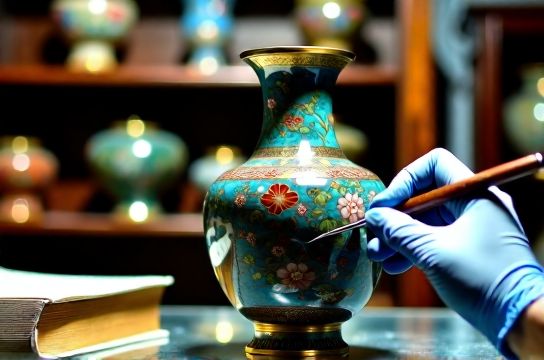
Why Cloisonné Needs Special Care
Cloisonné dates back over 3,000 years, with roots in Egypt and major development in ancient China. What makes it so unique? The technique involves fusing colored glass paste into compartments (cloisons) made of fine silver or gold wire, then firing it at high temperatures. This process creates unmatched depth and brilliance — but also fragility.
According to the International Journal of Heritage Conservation, nearly 68% of pre-1900 cloisonné items show signs of enamel chipping or base metal corrosion due to improper storage or amateur cleaning. That’s why restoration should never be a DIY experiment unless you know exactly what you’re doing.
Step-by-Step: How to Assess & Restore Your Piece
Before touching any tool, evaluate your item using this professional checklist:
| Damage Level | Signs to Watch For | Recommended Action |
|---|---|---|
| Minor | Light surface dirt, slight tarnish on wires | Gentle cleaning with distilled water & soft brush |
| Moderate | Small chips, oxidized metal borders | Consult conservator; possible re-firing or enamel infill |
| Severe | Cracked enamel, loose wires, structural warping | Professional restoration only — avoid handling |
Don’t Fall for These Common Mistakes
- Using commercial silver polish – It strips protective layers and damages enamel edges.
- Soaking in vinegar or lemon juice – Acidic solutions erode both metal and glass components.
- Applying glue to fix loose wires – Most adhesives yellow over time and aren't heat-resistant.
Instead, stick to pH-neutral methods. A pro tip: use a cotton swab dampened with deionized water and wipe gently along the wire ridges. Always dry immediately with a microfiber cloth.
When to Call a Pro — and Where to Find One
For moderate to severe damage, seek a certified restorer specializing in Asian antiquities or vitreous enamel work. The Antique Restorers Guild reports that professionally restored cloisonné pieces retain up to 95% of their market value, versus 40–60% for self-repaired ones.
Look for credentials like:
- Membership in IIC (International Institute for Conservation)
- Experience with Ming/Qing dynasty artifacts
- Use of non-invasive testing (e.g., XRF analysis for metal composition)
In short: treat your cloisonné like the rare treasure it is. With careful assessment, smart cleaning, and expert help when needed, your piece can shine for another century.