Walnut Carving Age Determination Clues
- 时间:
- 浏览:210
- 来源:OrientDeck
So, you’ve got an old walnut carving sitting on your shelf, maybe inherited from Grandma or snagged at a flea market for $5. Looks cool, but is it actually antique, or just a clever reproduction? You're not alone — walnut carving age determination trips up even seasoned collectors. But here’s the good news: with a few key clues, you can spot the real deal like a pro.
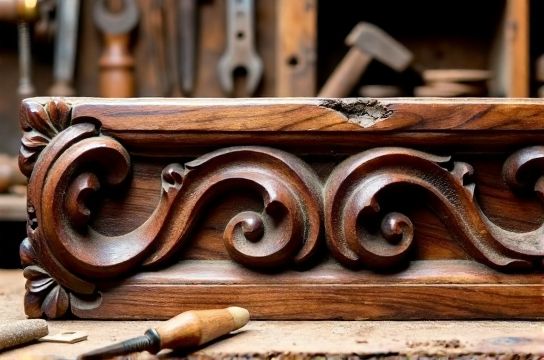
Why Walnut Age Matters
When it comes to wooden carvings, especially those made from black walnut, age directly impacts value. A genuine 19th-century piece could fetch hundreds — even thousands — while a 1980s replica might be worth little more than firewood. That’s why understanding walnut carving age determination isn’t just academic; it’s financial.
Top 4 Clues to Spot an Antique Walnut Carving
- Patina & Surface Wear: Real age shows in the smooth, uneven polish from decades of handling. Look for darker grooves and soft edges — machine-made modern copies have uniform shine.
- Tool Marks: Pre-1900 carvings often show chisel marks or irregular cuts. Modern lathes leave near-perfect symmetry.
- Wood Density & Color: Older walnut oxidizes deeper brown to near-black. Newer wood tends to be lighter and more orange-toned.
- Construction Method: Nails or glue? Big red flag. Hand-joined pieces with dovetails or pegs suggest authenticity.
How to Use Growth Rings (Seriously!)
Yes, like tree rings, walnut carvings can reveal age through grain patterns. While you can’t always count rings directly (it’s carved, after all), wide, loose grains suggest faster growth — common in older, naturally felled trees. Tight, narrow grains? Likely plantation-grown post-1950.
| Feature | Antique (Pre-1900) | Modern (Post-1950) |
|---|---|---|
| Grain Pattern | Wide, irregular | Narrow, uniform |
| Surface Feel | Slightly waxy, no plastic sheen | Shiny, possibly lacquered |
| Weight | Heavier (dense old-growth) | Lighter |
| Smell | Earthy, mild nutty scent | Chemical or absent |
Pro tip: Hold it up to a UV light. Old varnishes don’t fluoresce; many modern sealants glow blue or green. Another win for walnut carving identification.
Red Flags That Scream "Fake!"
- Perfect symmetry in organic shapes (like faces or animals)
- Brand new screws or metal fittings
- Overly dark stain that rubs off (check with rubbing alcohol on cotton)
- No wear on high-touch areas (e.g., hands, base)
Final Thoughts
You don’t need a PhD in woodworking to master walnut carving age determination. With practice and attention to detail — especially grain, wear, and construction — you’ll start spotting antiques in the wild. And hey, if you’re still unsure? Take it to a local appraiser or woodcraft museum. Better safe than sorry when it comes to hidden treasure.