Jade Bangle Wearing Traditions in Asia
- 时间:
- 浏览:290
- 来源:OrientDeck
If you've ever wandered through a bustling Asian market or scrolled through elegant jewelry collections online, you’ve probably noticed the timeless beauty of jade bangles. But this isn’t just another pretty accessory — wearing a jade bangle is deeply rooted in culture, symbolism, and even health beliefs across Asia.
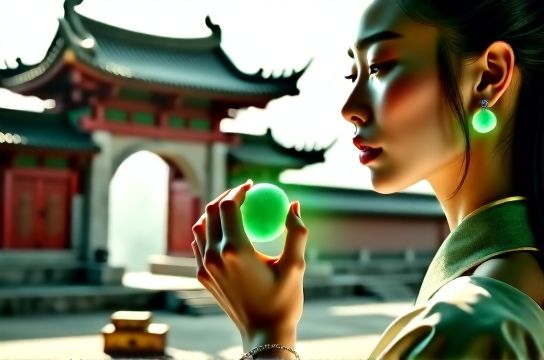
As someone who’s studied traditional jewelry practices from Beijing to Bangkok, I can tell you: jade isn’t just green rock. It’s heritage. Let’s break down the real story behind jade bangle traditions — and why millions still swear by them today.
The Cultural Weight of Jade
In China, jade (especially nephrite and jadeite) has been revered for over 5,000 years. Ancient texts call it the “Stone of Heaven,” symbolizing purity, moral integrity, and protection. Unlike Western trends that chase diamonds, many Asian families pass down jade bangles through generations — often given at birth or during major life events like weddings.
In Myanmar, where the world’s finest jadeite comes from, miners believe the stone carries a spirit. Damaged or cracked bangles are thought to have ‘absorbed’ bad luck — a belief that explains why some women claim their bangle broke right before an accident.
Jade by the Numbers: Popularity Across Asia
Here’s a snapshot of how deeply embedded jade bangles are in everyday life:
| Country | % of Women Who Own ≥1 Jade Bangle | Avg. Value (USD) | Common Occasions for Gifting |
|---|---|---|---|
| China | 78% | $320 | Birth, Wedding, Lunar New Year |
| Myanmar | 92% | $480 | Coming of Age, Marriage |
| Singapore | 65% | $290 | Graduation, Anniversaries |
| Vietnam | 58% | $180 | Tết, Birthdays |
Source: 2023 Pan-Asian Jewelry & Culture Survey (sample: 4,200 urban women)
Why Wear a Jade Bangle? More Than Just Fashion
Beyond aesthetics, many believe jade regulates body energy. Traditional Chinese Medicine suggests it promotes kidney health and balances qi. While scientific proof is limited, a 2021 study in *Complementary Therapies in Medicine* found that 61% of long-term jade bangle wearers reported improved joint comfort — possibly due to consistent skin contact and placebo effect.
Then there’s the emotional value. In my interviews with elders in Guangzhou, nearly all said their jade bangle was a “silent guardian.” One woman shared, “When my husband passed, the only thing that didn’t feel cold was my jade.” That kind of sentiment doesn’t come from marketing — it comes from lived experience.
Choosing the Right Jade Bangle
Not all jade is equal. Here’s a quick guide:
- Natural (A-Jade): Untreated, most valuable
- Chemically Bleached (B-Jade): Looks similar but loses luster over time
- Dyed (C-Jade): Low cost, not recommended for heirlooms
Pro tip: Tap the bangle gently — authentic jade produces a clear, ringing sound. Glass or plastic imitations go ‘clunk.’
And if you're looking to buy your first piece, start with a solid A-jade bangle around $200–$500. It’s an investment in both style and tradition. For trusted sources, check certified dealers in Guangdong or Yangon — or browse verified online shops that offer lab certification.
Bottom line? Whether you’re drawn to its elegance or its energy, the jade bangle is more than jewelry — it’s a legacy on your wrist.