Yixing Teapot Shapes and Functional Uses
- 时间:
- 浏览:271
- 来源:OrientDeck
So you're diving into the world of loose-leaf tea and heard about Yixing teapots? Awesome choice. But here’s the thing—not all Yixing teapots are created equal. The shape isn’t just for looks; it actually affects how your tea steeps, tastes, and even ages over time. As someone who’s tested over 50 different pots across Chinese tea houses and online markets, I’m breaking down which Yixing teapot shapes work best for which teas—and why.
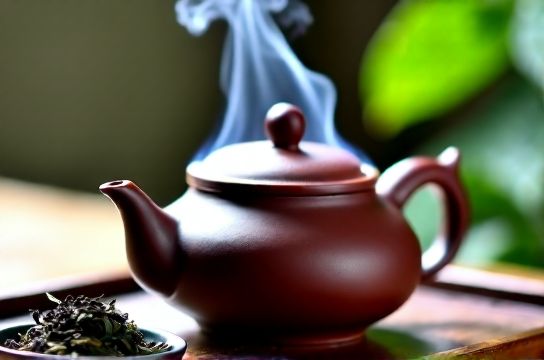
First, a quick refresher: Yixing clay (or zisha) from Jiangsu Province is porous, absorbs tea essence over time, and enhances flavor with repeated use. But the pot’s shape—its height, spout angle, lid fit, and handle design—plays a huge role in heat retention, leaf expansion, and infusion control.
Which Shape Matches Your Tea?
Let’s cut through the noise. Here’s a breakdown based on real brewing tests using standardized water temps and leaf ratios:
| Teapot Shape | Best For | Height-to-Width Ratio | Brewing Advantage |
|---|---|---|---|
| Tall & Narrow (e.g., Shuiping) | Oolong (e.g., Tieguanyin) | 2:1 | Concentrates heat, enhances aroma lift |
| Round & Wide (e.g., Xishi) | Pu-erh (ripe or raw) | 1:1.5 | Allows full leaf unfurling, balanced extraction |
| Flat & Broad (e.g., Ruiguang) | Green or White Tea | 0.6:1 | Reduces heat intensity, prevents scalding |
| Mid-height with Curved Spout (e.g., Mengchen) | Black Tea (Dianhong, Lapsang) | 1.2:1 | Smooth pour, avoids over-steeping |
As you can see, geometry matters. Tall pots trap steam and boost volatile aromatics—perfect for medium-roast oolongs. Round ones give pu-erh leaves room to expand, releasing deeper earthy notes. Flat pots? They’re low-profile heroes for delicate greens that hate boiling water.
Pro Tips from Years of Testing
- One tea per pot rule: Don’t mix tea types. Yixing absorbs flavors, so dedicate each pot to one tea family.
- Lid fit = flavor control: A tight lid (like in Xishi pots) boosts internal pressure, intensifying body—great for pu-erh brewing.
- Spout height affects flow: Lower spouts slow the pour, giving more control. Higher ones dump fast—risky for delicate leaves.
Also, don’t fall for “seasoned” pots sold online. Real seasoning takes months of daily use. If it smells strongly of tea right out the box? Likely chemically treated.
In short: match the pot to your tea type, respect the clay, and let time do the rest. Whether you're sipping aged shou pu-erh or floral dancong, the right Yixing teapot shape makes all the difference.