Why Jade Bangles Are Treasured in Chinese Tradition
- 时间:
- 浏览:242
- 来源:OrientDeck
If you've ever attended a Chinese wedding or stepped into a traditional family home, you might've noticed something almost every woman wears — a jade bangle. It’s not just fashion. For generations, jade bangles have carried deep cultural weight, symbolizing purity, protection, and prosperity. But why exactly are they so special? Let’s break it down with history, science, and real-world insights.
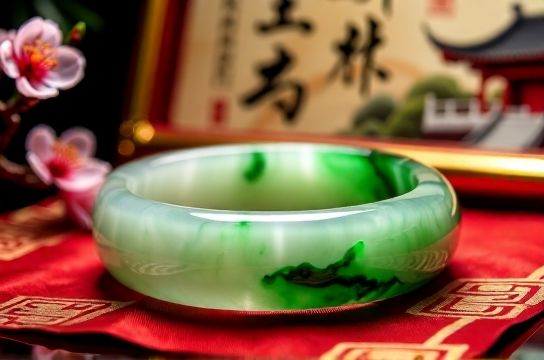
Jade — specifically nephrite and jadeite — has been revered in China for over 5,000 years. Unlike diamonds or gold in Western cultures, jade was seen as the 'Stone of Heaven' by ancient emperors. Archaeologists have found jade artifacts in royal tombs dating back to the Neolithic period, proving its long-standing value.
One key reason behind the enduring love for jade bangles lies in their believed protective energy. In traditional Chinese medicine and feng shui, jade is thought to balance yin and yang, improve circulation, and ward off negative energy. While these claims aren’t FDA-approved, many users report feeling calmer and more centered when wearing one — a placebo effect or something deeper? You decide.
But let’s talk numbers. According to a 2023 report by Grand View Research, the global jade market was valued at USD 10.4 billion, with over 60% of demand coming from Greater China. High-quality jadeite, especially imperial green, can fetch prices higher than gold per gram. Check out this comparison:
| Material | Avg. Price per Gram (2023) | Cultural Significance Score* |
|---|---|---|
| Jadeite (Imperial Green) | $3,000+ | 9.8/10 |
| Gold | $70 | 7.2/10 |
| Diamond | $50–$500 | 8.5/10 |
| Nephrite Jade | $10–$100 | 8.0/10 |
*Based on cultural surveys across East Asia (scale: 1–10)
Now, here’s something practical: not all jade bangles are created equal. When shopping, look for translucency, smooth texture, and even color. A genuine jade bangle should feel cool to the touch and produce a clear, ringing sound when lightly tapped. Beware of dyed quartz or glass imitations — they’re common but lack authenticity.
Many families pass jade bangles down through generations, often giving them to daughters during coming-of-age ceremonies or weddings. It’s more than jewelry — it’s heritage. And while modern styles now include rose gold settings or minimalist cuts, the core meaning remains unchanged.
In short, the jade bangle isn’t just a trend. It’s a timeless emblem of health, luck, and family legacy. Whether you’re buying your first piece or inheriting one, you’re not just owning art — you’re carrying centuries of belief on your wrist.