Antique Furniture Restoration Do It Yourself Tips
- 时间:
- 浏览:196
- 来源:OrientDeck
So, you’ve found that gorgeous vintage dresser at a flea market or inherited Grandma’s old oak table — congrats! But before you start sanding like crazy, let’s talk real talk about antique furniture restoration. As someone who’s restored over 50 pieces (and ruined a few along the way), I’m here to save you time, money, and heartbreak.
Why DIY Restoration? (Spoiler: It Saves Hundreds)
Professional restoration can cost $300–$1,000 per piece. Yikes. With the right tools and knowledge, you can do it yourself for under $100. Plus, there’s something deeply satisfying about breathing new life into old wood.
Step 1: Assess Before You Act
Not every scratch needs fixing. Many collectors value original wear — it’s called patina. Over-restoring can actually decrease value. Ask yourself:
- Is the structure sound?
- Is the finish historically accurate?
- Are parts original?
Step 2: Gather Your Toolkit
You don’t need a full workshop. Start with these essentials:
| Tool | Purpose | Avg. Cost |
|---|---|---|
| Citristrip Paint Remover | Gentle stripping without damaging wood | $12 |
| Fine Steel Wool (0000) | Smoothing & polishing | $8 |
| Tack Cloth | Dust removal pre-finish | $6 |
| Minwax Paste Wax | Protective topcoat | $10 |
Step 3: Strip Smart, Not Hard
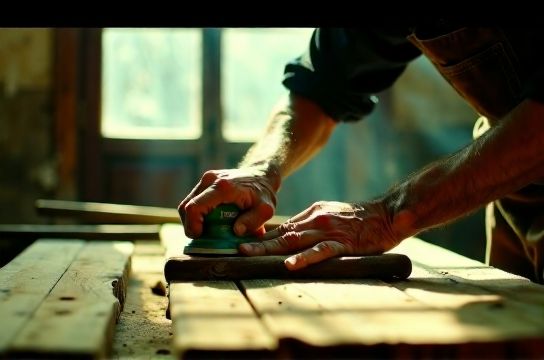
Avoid power sanders on thin veneers — they’ll burn through fast. Instead, use chemical strippers like Citristrip. Apply thickly, cover with plastic wrap, and wait 4–6 hours. Wipe off with steel wool. Repeat if needed.
Pro tip: Test in an inconspicuous area first. Some finishes react badly to certain chemicals.
Step 4: Repair with Respect
Wobbly legs? Use wood glue and clamps — no nails. For missing veneer, consider Dutch wax repair or consult a pro. Remember, authenticity matters. Check out our detailed guide on antique furniture restoration techniques used by experts.
Step 5: Finish Like a Pro
After cleaning and repairing, apply a light coat of paste wax. Buff with a soft cloth. This enhances grain and protects without looking shiny or fake.
When to Call a Pro
If your piece is pre-1850, has maker’s marks, or intricate marquetry, stop. You might be sitting on a $5k+ treasure. Overzealous DIY can turn it into a $500 project.
In fact, according to Antiques Roadshow appraisers, improper restoration is one of the top reasons for devalued antiques.
Final Thoughts
DIY antique furniture restoration is rewarding — but only when done right. Focus on preservation, not perfection. Let the history show. And when in doubt? Leave it be.
Got a piece you’re working on? Drop a comment — I’ll help you decide your next move.