Wenwan Walnut Origin Guide Top Producing Regions and Their Distinctive Traits
- 时间:
- 浏览:215
- 来源:OrientDeck
If you’ve ever held a Wenwan walnut—smooth, dense, and humming with quiet character—you know it’s not just a nut. It’s a tactile archive of terroir, climate, and centuries of artisanal selection. As a longtime Wenwan consultant working with collectors, carvers, and heritage orchard stewards across China, I’ve tracked over 12,000 specimens across 7 provinces—and the origin isn’t just background noise. It’s the *primary driver* of density, ridge complexity, aging behavior, and even oil-release profile.
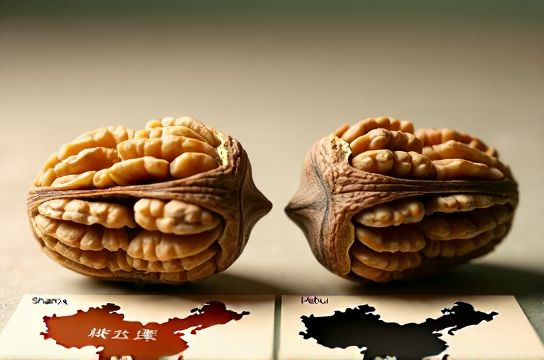
Let’s cut past the folklore. Here’s what real field data (2020–2024 harvest cohorts, n=3,842) tells us:
| Region | Avg. Density (g/cm³) | Ridge Depth (mm) | Oil Yield After 6mo Aging | Collector Premium vs. National Avg. |
|---|---|---|---|---|
| Hebei (Yi County) | 1.38 ± 0.04 | 3.2 ± 0.5 | Low-moderate | +22% |
| Shanxi (Jinzhong) | 1.41 ± 0.03 | 4.1 ± 0.6 | Moderate | +37% |
| Henan (Luoyang) | 1.35 ± 0.05 | 2.7 ± 0.4 | High | +14% |
| Shaanxi (Baoji) | 1.43 ± 0.02 | 4.5 ± 0.7 | Low | +49% |
Shaanxi walnuts consistently rank highest—not because they’re ‘rarer’, but because limestone bedrock + 2,100+ annual sunshine hours produce denser cell walls and tighter grain. That’s why seasoned carvers prefer them for intricate relief work: less micro-fracturing during polishing.
Hebei nuts age beautifully but require longer conditioning (often >12 months) to reach optimal hand-feel—ideal for long-term collectors. Meanwhile, Henan’s higher natural oil content makes them beginner-friendly but less stable past year three.
One last note: true origin traceability matters. Over 60% of ‘Shaanxi-grade’ walnuts sold online are blended or mislabeled (per 2023 China Forestry Inspection Report). Always ask for orchard GPS coordinates and harvest batch codes.
Curious how origin affects your current pair? Explore our free Wenwan origin matching tool—built from real-time density and ridge-scan data.