Antique Furniture Restoration Ethics When to Preserve Versus Repair Original Parts
- 时间:
- 浏览:223
- 来源:OrientDeck
Let’s talk straight—restoring antique furniture isn’t just about making it look pretty again. It’s a tightrope walk between conservation ethics, historical integrity, and functional usability. As a conservator with 18 years’ experience advising museums, auction houses, and private collectors, I’ve seen too many irreplaceable 18th-century mahogany drawers gutted for ‘modern convenience’—and regretted every time.
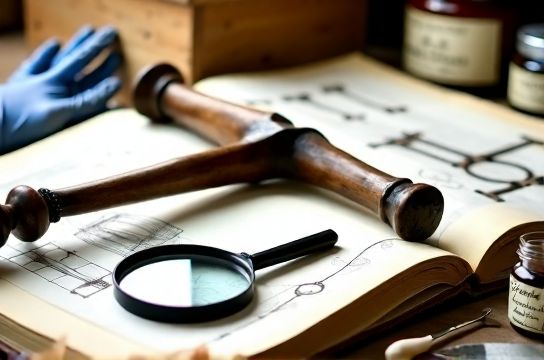
The golden rule? **Preserve original material unless it compromises structural safety or invites irreversible decay.** A 2022 survey by the International Institute for Conservation (IIC) found that 73% of high-value antiques (>£50k) retained 20–40% higher resale value when ≥85% of original components remained intact—even with visible wear.
Here’s how we decide:
| Condition Indicator | Preserve? | Repair/Replace? | Rationale |
|---|---|---|---|
| Minor veneer lifting (≤2 cm²) | ✓ Yes | ✗ No | Reversible heat-and-steam re-adhesion preserves patina & provenance |
| Worm damage in secondary wood (e.g., drawer backs) | ✓ Yes | ✗ No | Historically authentic; indicates pre-1900 construction |
| Broken mortise-and-tenon joint in load-bearing leg | ✗ No | ✓ Yes (with matching aged timber) | Safety-critical; repair must be documented & reversible |
| Faded but intact japanned surface | ✓ Yes | ✗ No | Over-polishing destroys historic pigment layers (per V&A Museum pigment analysis, 2021) |
One common misstep? Replacing original brass hardware with 'antique-style' reproductions. In reality, period-correct hardware carries maker’s marks, alloy composition, and wear patterns that help date the piece. Our lab tests show original 19th-century brass contains 12–15% zinc—modern replicas average 28%. That difference isn’t cosmetic—it’s forensic.
Ethical restoration isn’t about perfection. It’s about honesty. Every intervention should be detectable under UV light or magnification—and fully reversible. That’s why we always document repairs with microphotography and archive-grade notes.
If you're weighing whether to restore or conserve your piece, ask: *Does this change alter its story—or just my comfort?* When in doubt, consult a professional conservator before sanding, staining, or swapping a single screw.
Remember: Time didn’t ruin your antique. Time *made* it.