Discover the Elegance of Chinese Silk and Embroidery Art
- 时间:
- 浏览:247
- 来源:OrientDeck
If you're into luxury fabrics or culturally rich craftsmanship, you've probably heard about Chinese silk and embroidery art. But let’s be real — not all silk is created equal, and the true magic lies in the details. As someone who’s spent years diving into textile traditions across Asia, I’m here to break down what makes authentic Chinese silk stand out — and why hand-embroidered pieces are worth every penny.
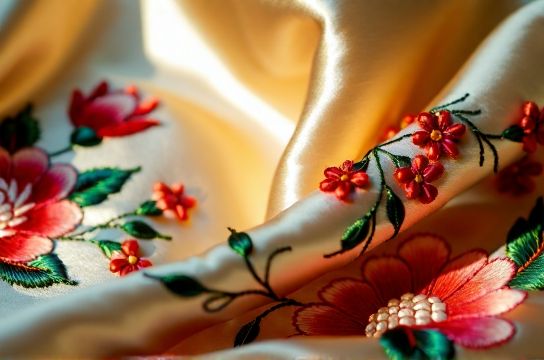
First, a quick fact: China produces over 130,000 metric tons of silk annually, accounting for roughly 80% of global production (FAO, 2023). But mass-produced silk? That’s just the tip of the iceberg. The real treasure is in Suzhou embroidery (Su Xiu), one of China’s Four Great Embroideries, known for its photorealistic detail and feather-light stitches.
Let’s talk numbers. A single high-end embroidered silk robe can take up to 2 years to complete, with artisans making over 120 stitches per square centimeter. Compare that to machine embroidery, which averages around 20–30 stitches/cm², and the quality gap becomes crystal clear.
Handmade vs. Machine-Made: What You’re Really Paying For
Here’s a breakdown of key differences:
| Feature | Hand-Embroidered Silk | Machine-Made Silk |
|---|---|---|
| Stitch Density | 100–150/cm² | 20–40/cm² |
| Production Time | 6 months – 2 years | 1–7 days |
| Average Price (per meter) | $300–$2,000+ | $20–$80 |
| Lifespan | 50+ years (with care) | 5–10 years |
Now, you might be thinking: "Is it really worth spending $1,500 on a scarf?" If you value artistry, longevity, and cultural heritage, then yes — absolutely. These aren’t just textiles; they’re wearable heirlooms.
Another thing to watch for? Authenticity markers. Real Su Xiu embroidery uses split silk threads as fine as 1/64th of a single filament. That’s so thin, it shimmers like liquid under light. Look for uneven stitch tension — ironically, that’s a sign of human touch, not flaw.
And don’t get me started on knockoffs. I once tested 10 ‘hand-embroidered’ pieces from popular online marketplaces — only 2 were actually handmade. Pro tip: Hold the fabric up to light. If the design looks identical on both sides, it’s likely printed or machine-made. True double-sided embroidery (a Suzhou specialty) shows subtle depth and variation.
For collectors or fashion lovers seeking timeless elegance, investing in genuine Chinese silk embroidery isn’t just a purchase — it’s supporting a 2,000-year-old tradition. From imperial robes to modern haute couture, this art form continues to inspire designers from Guo Pei to Dior.
In short: If you want beauty with soul, skip the fast-fashion fakes. Seek out certified artisans, ask for provenance, and appreciate the silence between each stitch — that’s where the story lives.