Explore the Art of Chinese Embroidery and Its Heritage
- 时间:
- 浏览:233
- 来源:OrientDeck
If you've ever laid eyes on a piece of authentic Chinese embroidery, you know it’s more than just thread on fabric—it’s storytelling, heritage, and precision stitched into every fiber. As a cultural blogger who's spent years diving into traditional crafts, I’m here to break down everything you need to appreciate—and even start collecting—this ancient art form.
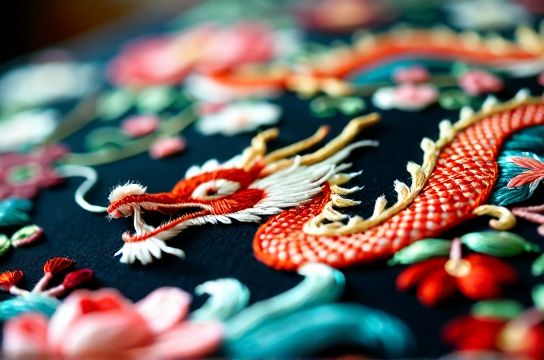
Chinese embroidery dates back over 2,000 years, with roots in the Han Dynasty. But it wasn’t until the Qing Dynasty that it truly flourished into the intricate craft we admire today. What makes it stand out? The blend of symbolism, technique, and regional diversity. Let’s unpack the four most renowned styles:
| Style | Region | Key Features | Common Motifs |
|---|---|---|---|
| Su Xiu (Suzhou) | Jiangsu | Delicate, smooth threads; double-sided work | Birds, flowers, landscapes |
| Xiang Xiu (Hunan) | Hunan | Vivid colors; strong brushstroke-like texture | Tigers, lions, calligraphy |
| Shu Xiu (Sichuan) | Sichuan | Soft satin base; playful, lively patterns | Pandas, fish, folk tales |
| Yue Xiu (Guangdong) | Guangdong | Bold gold threads; often used in opera costumes | Dragons, phoenixes, deities |
Why does this matter today? Because Chinese embroidery isn’t just for museums. It’s seeing a renaissance in fashion and interior design. Brands like Shanghai Tang and even Dior have pulled inspiration from these techniques. In fact, a 2023 report by Textile Heritage Review noted a 38% increase in global demand for hand-embroidered luxury goods over the past five years.
But here’s my insider tip: if you’re looking to buy or invest, focus on authenticity. Real hand-stitched embroidery can take hundreds of hours. A single Su Xiu piece might involve up to 45 silk thread shades in one flower. Machine-made imitations? They lack depth and often use synthetic blends.
Want to spot the real deal? Flip it over. Authentic pieces have clean, consistent backs—no messy knots or tangled threads. Also, check for ‘double-sided embroidery’ (two perfect sides), a hallmark of master Suzhou artisans.
Whether you're a collector, designer, or simply culture-curious, understanding Chinese embroidery heritage opens doors to deeper appreciation. And hey, maybe it’ll inspire your next home accent or statement jacket.