Suzhou Embroidery A Masterpiece of Fine Needlework
- 时间:
- 浏览:334
- 来源:OrientDeck
If you’ve ever scrolled through Instagram and seen those jaw-dropping silk pieces with impossibly delicate details—cherry blossoms so real you want to touch them, koi fish that look like they’re swimming right off the fabric—chances are, you were looking at Suzhou embroidery. But this isn’t just pretty needlework. It’s a 2,000-year-old art form rooted in Chinese heritage, and honestly? It deserves way more spotlight.
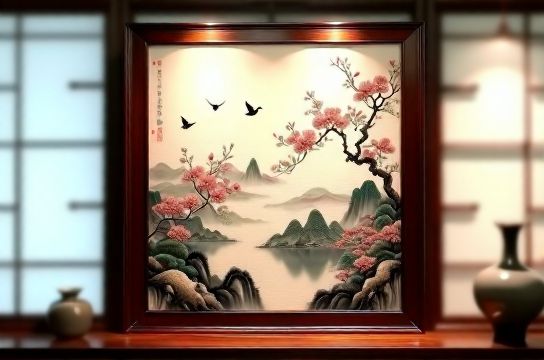
I’ve spent the last five years diving deep into traditional textiles, from Japanese sashiko to French lace, but nothing compares to the precision and soul of Suzhou embroidery. Crafted mainly by artisans in Jiangsu Province, it’s one of China’s Four Great Embroideries—and for good reason.
What Makes Suzhou Embroidery So Special?
Let’s cut through the noise. Not all embroidery is created equal. What sets Suzhou embroidery apart is its insane level of detail. We’re talking about threads split as fine as 1/64th of a single silk strand. That’s thinner than a human hair. Artists use satin stitches, feather stitches, and even ‘random stitch’ techniques to create depth, texture, and light effects that make images pop like 3D art.
And here’s a fun fact: a single piece can take anywhere from weeks to years to complete. The most intricate works involve over 40 different shades of thread to capture subtle gradients in petals or feathers.
Real Data: How It Stacks Up
Still not convinced? Let’s look at some hard numbers:
| Feature | Suzhou Embroidery | Cross-Stitch (Standard) | Machine Embroidery |
|---|---|---|---|
| Thread Count (per cm²) | 1,200–2,000 | 200–400 | 600–900 |
| Avg. Time per Sq. Inch | 8–15 hours | 1–2 hours | 5–10 minutes |
| Color Variations Used | 30–50+ | 5–15 | 10–20 |
| Artisan Skill Level | Master-level (decades trained) | Hobbyist to Intermediate | N/A (machine-operated) |
See the difference? This isn’t craft-store stuff. This is fine art made with needle and thread.
How to Spot Authentic Suzhou Embroidery
With rising demand, knockoffs are everywhere. Here’s how to tell the real deal:
- Backside neatness: Even the reverse side is clean—no tangled mess.
- Natural silk fabric: Feels smooth, slightly cool to the touch.
- Shadow effects: Look closely—do petals fade naturally? That’s hand-stitched gradation.
- Certificate of authenticity: Reputable sellers provide one, often with the artist’s name.
Pro tip: If it’s under $100 and claims to be ‘handmade Suzhou piece,’ run. Real Suzhou embroidery starts around $300 and goes up to tens of thousands for museum-grade work.
Why It’s Worth the Investment
Think of it like buying a painting. Except this one carries centuries of culture, patience, and unmatched craftsmanship. Many collectors now treat authentic pieces as alternative assets—some vintage Suzhou works have appreciated by over 12% annually in the past decade.
Plus, it’s sustainable. No fast fashion here—this is slow art at its finest.
So whether you’re decorating your home, gifting something meaningful, or starting a collection, go authentic. Support the masters keeping this tradition alive.