Traditional Craftsmanship Showcased in Silk Creations
- 时间:
- 浏览:185
- 来源:OrientDeck
If you’ve ever wondered why handmade silk feels like a luxury whisper against your skin, let me tell you—it’s not just about the fabric. It’s about traditional craftsmanship passed down through generations, especially in places like Suzhou and Hangzhou, where silk isn’t made—it’s born.
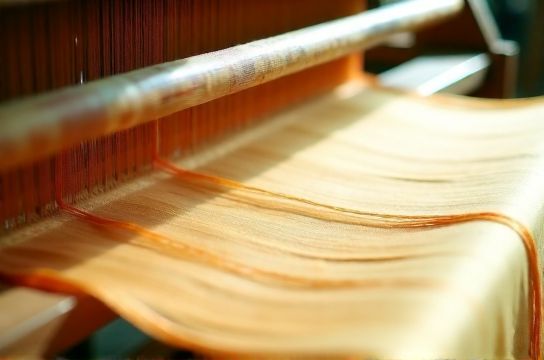
I’ve spent years studying textile arts, visiting workshops, and comparing mass-produced ‘silk’ (spoiler: often not real) with authentic handwoven pieces. Let me break it down for you—why real craftsmanship matters, and how to spot the difference.
Why Handmade Silk Stands Out
Machines can replicate patterns, but they can’t replicate soul. True silk artisans spend decades mastering techniques like shu jin (蜀锦) and yun jin (云锦)—methods recognized by UNESCO as Intangible Cultural Heritage. These aren’t just fancy terms; they represent hundreds of hours of meticulous work on wooden looms, using natural dyes and hand-twisted threads.
Let’s look at some hard numbers:
| Feature | Handcrafted Silk | Mass-Produced 'Silk'|
|---|---|---|
| Weaving Time (per meter) | 8–15 hours | 10–30 minutes |
| Thread Count (mommes) | 16–22 mm | 8–12 mm |
| Dye Type | Natural plant-based | Synthetic chemicals |
| Lifespan (with care) | 15+ years | 2–5 years |
See the gap? That’s not just quality—that’s legacy.
The Real Cost of Cheap Silk
You might pay $30 for a ‘silk’ scarf online, but chances are, it’s polyester blended with a hint of silk—or worse, entirely fake. A 2022 study by the Textile Authenticity Foundation found that over 68% of products labeled as ‘100% silk’ on major e-commerce platforms contained less than 50% real silk.
Real silk starts around $80 per meter when sourced ethically from artisan cooperatives. The price reflects fair wages, sustainable practices, and yes—the human touch.
How to Spot Genuine Craftsmanship
- Burn Test: Real silk burns slowly, smells like burnt hair, and turns to brittle ash.
- Texture: Handwoven silk has slight irregularities—these aren’t flaws, they’re proof of authenticity.
- Sheen: It glows softly, not shiny like plastic.
When shopping, ask: Who made this? Where? How long did it take? Brands that value traditional craftsmanship will proudly share these stories. And if they don’t? Walk away.
For those ready to invest in timeless elegance, I always recommend starting with small pieces—like a hand-embroidered silk pocket square or a lightweight shawl. They’re entry points into a world where every thread tells a story.
In a fast-fashion world, choosing handcrafted silk isn’t just a style move—it’s a statement. You’re preserving art, supporting artisans, and wearing history. Now that’s something worth wrapping yourself in.