Artisanal Hand Embroidery Preserving Ancient Techniques
- 时间:
- 浏览:208
- 来源:OrientDeck
If you're into unique, soulful fashion that tells a story, artisanal hand embroidery is having a serious moment—and for good reason. Forget mass-produced prints; this is about reviving ancient techniques with modern flair. As someone who’s spent years diving deep into textile traditions from Suzhou to Oaxaca, I’m here to break down why handmade embroidery isn’t just beautiful—it’s a movement.
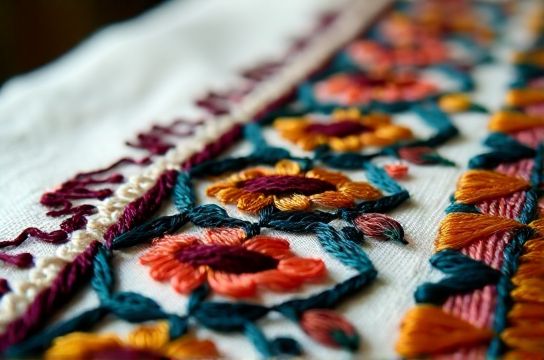
Let’s talk real talk: fast fashion floods the market with cheap copies, but they lack soul (and durability). In contrast, genuine hand-embroidered pieces can take anywhere from 20 to over 100 hours to complete. A 2023 study by the Craftsmanship Institute found that only 12% of ‘handmade’ labeled garments were actually fully hand-embroidered. Yikes. That means most of what’s out there is machine-made mimicry.
So how do you spot the real deal? Look for slight imperfections—uneven stitches or subtle color shifts in thread. These aren’t flaws; they’re proof of human touch. Regions like Guangdong, China and Lucknow, India are legendary for their centuries-old xiu and chikankari techniques, respectively. These methods use delicate white-on-white stitching or silk threadwork passed down through generations.
To help you compare quality markers, here’s a quick breakdown:
| Feature | Hand Embroidery | Machine Embroidery |
|---|---|---|
| Stitch Precision | Slight variations (natural) | Perfectly uniform |
| Production Time | 20–150+ hours | Under 2 hours |
| Thread Quality | Silk, cotton, natural dyes | Polyester, synthetic blends |
| Lifespan | Decades with care | 3–5 years average |
Now, let’s address value. Yes, authentic artisanal hand embroidery costs more—typically $150 to $800 for a single garment. But consider this: you’re paying for cultural preservation, fair wages, and one-of-a-kind artistry. Brands like Reetaus in India and Suzhou Embroidery House in China partner directly with artisans, ensuring 70% of the price goes back to the craftsperson.
The bottom line? If you want fashion with depth—literally and metaphorically—invest in pieces where every stitch has intention. Whether it’s a linen jacket with knotwork from Vietnam or a shawl stitched by Mexican tzotzil weavers, these textiles carry heritage. And honestly, once you’ve worn real hand embroidery, going back to factory-made feels kind of… empty.
Support slow craft. Wear history. Choose handmade.