The Role of Tradition in Today’s Luxury Fashion World
- 时间:
- 浏览:237
- 来源:OrientDeck
If you’ve ever stood in front of a Gucci or Hermès boutique and felt like you weren’t just buying a bag—but inheriting a piece of history—you’re not wrong. In today’s fast-paced fashion world, where trends come and go faster than TikTok dances, tradition remains the quiet powerhouse behind the most enduring luxury fashion brands.
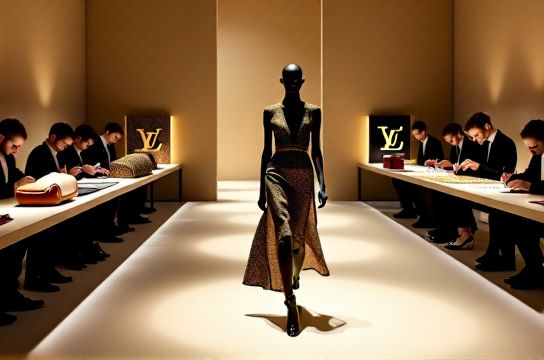
Let’s be real: anyone can slap a logo on a hoodie and call it ‘premium.’ But true luxury? That’s built on legacy, craftsmanship, and yes—tradition. And if you're trying to understand what separates a fleeting trend from a timeless investment, this is where you need to start.
Why Tradition Still Matters (Even in 2024)
A recent McKinsey report found that 68% of high-net-worth consumers cite ‘heritage’ as a key factor in their luxury purchases. That’s not just nostalgia—it’s trust. When a brand has been hand-stitching leather for over a century (looking at you, Loewe), you know they’ve had time to perfect the craft.
Take a look at this comparison:
| Brand | Founded | Production Location | Artisan Hours per Product |
|---|---|---|---|
| Hermès | 1837 | France | 18–25 |
| Gucci | 1921 | Italy | 8–12 |
| Off-White™ | 2013 | Global (contract) | 1–2 |
See the pattern? The longer the heritage, the deeper the commitment to traditional techniques. While newer labels focus on hype and speed, the old guard invests in time—and that shows in quality.
Tradition vs. Innovation: Do They Clash?
Not at all. In fact, the smartest brands are blending both. Consider Dior’s recent use of AI to archive centuries-old embroidery patterns while still stitching each piece by hand. Or Prada’s Re-Nylon project, which uses recycled materials but follows traditional Italian weaving methods.
The truth is, tradition isn’t about resisting change—it’s about preserving value. As one LVMH executive put it: “We innovate at the surface, but anchor our soul in craftsmanship.”
How to Spot Real Tradition (And Avoid the Fakes)
Here’s your quick checklist when evaluating a brand’s authenticity:
- Origin Story: Was it founded as a craftsman’s workshop? (e.g., shoemakers, saddlers)
- Made-in-Country: Is it still produced in its home country using local artisans?
- Transparency: Do they openly share production details? (Look for “Ateliers” or “Métiers d’Art” collections)
Brands like Chanel and Brunello Cucinelli don’t just talk about tradition—they document it. Their annual reports include artisan training programs and regional employment stats. Now that’s accountability.
The Bottom Line
In an age of instant gratification, tradition is the ultimate flex. It says: I don’t chase trends—I set them, slowly and deliberately. So next time you’re deciding between a viral streetwear drop and a handcrafted tote, ask yourself: which one will still feel meaningful five years from now?
Because in luxury fashion, history isn’t just background noise—it’s the foundation.