Investing in Embroidery Art What Makes It Valuable
- 时间:
- 浏览:283
- 来源:OrientDeck
Let’s be real—when you think of high-value art, embroidery might not be the first thing that comes to mind. But hold up. Over the past decade, embroidery art has quietly exploded in the collector’s market, with pieces selling for tens of thousands at auctions. So what’s behind this needle-and-thread gold rush? Spoiler: it’s not your grandma’s cross-stitch.
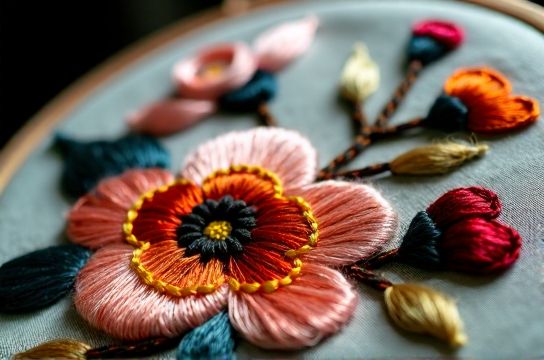
As a longtime textile art blogger and advisor to private collectors, I’ve tracked the rise of modern embroidery from niche craft to serious investment. And let me tell you—the data doesn’t lie.
Why Embroidery Art Is Gaining Value
First, scarcity. Unlike mass-produced prints, hand-embroidered pieces are inherently limited. A single artwork can take hundreds of hours. For example, contemporary artist Sarah K. Benning once spent 300+ hours on one piece—now valued at over $18,000.
Second, cultural resurgence. With Gen Z and millennials craving tactile, analog experiences in our digital world, handmade art is seeing a renaissance. According to Artsy’s 2023 report, searches for textile art rose by 67% year-over-year.
Third, museum recognition. Major institutions like the V&A and MoMA have acquired embroidered works, lending institutional credibility. That kind of validation? Pure rocket fuel for market value.
Key Factors That Drive Value
Not all embroidery is created equal. Here’s what separates a $50 craft fair piece from a $10K collectible:
| Factor | Low-Value Piece | High-Value Piece |
|---|---|---|
| Artist Recognition | Unknown or hobbyist | Exhibited or published |
| Materials Used | Synthetic threads, basic fabric | Silk, metallic threads, archival fabric |
| Time Invested | <20 hours | 100+ hours |
| Provenance | No documentation | Certificate, exhibition history |
See the difference? It’s not just about stitches—it’s about story, skill, and substance.
Smart Investing Tips
If you’re eyeing handmade embroidery as an asset, start small but think big. Focus on emerging artists with strong portfolios and social traction. Platforms like Etsy and Instagram have become scouting grounds for future stars.
Also, condition is everything. Store pieces flat, away from sunlight, and in acid-free materials. A damaged embroidery loses up to 70% of its value—ouch.
And don’t sleep on thematic relevance. Works exploring identity, mental health, or environmental issues are especially hot right now. One 2022 piece titled 'Anxiety Garden' sold for $24,000 after going viral on TikTok.
The Bottom Line
Embroidery art isn’t a fad—it’s a frontier. With low entry costs and high appreciation potential, it’s one of the most underrated spaces in art investing today. Whether you’re in it for passion or profit (why not both?), now’s the time to stitch your claim.