Explore the Art of Suzhou Embroidery and Its Cultural Legacy
- 时间:
- 浏览:229
- 来源:OrientDeck
If you've ever scrolled through Chinese cultural crafts and thought, 'Wow, this is next-level detailed,' chances are you’ve stumbled upon Suzhou embroidery—or as locals call it, Su Xiu. As someone who’s spent years diving into traditional Asian textiles, let me tell you: this isn’t just stitching. It’s storytelling with silk.
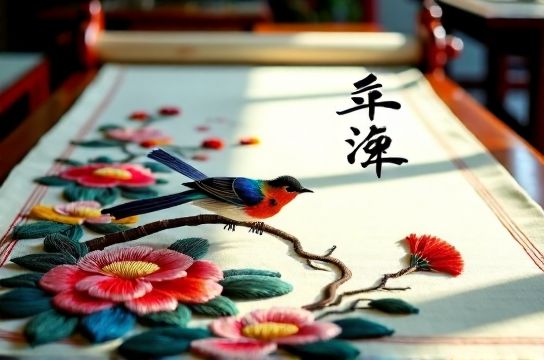
Suzhou embroidery hails from Jiangsu Province and dates back over 2,000 years to the Warring States period. But don’t let the ancient roots fool you—this craft is very much alive. In fact, UNESCO recognized it as part of China’s Intangible Cultural Heritage in 2006, and today, master artisans still use techniques passed down through generations.
What sets Suzhou embroidery apart? Precision. Artists can split a single silk thread into 1/64th of its original size—yes, you read that right. That’s finer than a human hair. This allows for gradients so smooth they look painted, not stitched.
Why It Stands Out Among Chinese Embroideries
China has four famous embroidery styles: Su (Suzhou), Xiang (Hunan), Yue (Guangdong), and Shu (Sichuan). But Suzhou embroidery consistently ranks highest in detail and refinement. Here’s a quick comparison:
| Style | Region | Thread Fineness | Common Themes | Stitch Density (per cm²) |
|---|---|---|---|---|
| Su Xiu | Jiangsu | 1/64 silk strand | Cats, landscapes, flowers | 1,200+ |
| Xiang Xiu | Hunan | 1/16 strand | Lions, tigers, bold colors | 800 |
| Yue Xiu | Guangdong | 1/32 strand | Dragons, gold threads | 900 |
| Shu Xiu | Sichuan | 1/32 strand | Pandas, folk scenes | 750 |
As you can see, Suzhou embroidery leads in both fineness and stitch density. That means more detail, softer transitions, and artwork that holds up even under magnification.
How It’s Made: From Silk to Masterpiece
The process starts with hand-selected silk threads dyed in custom shades. A single piece might use over 100 color variations. Then comes the embroidery frame, where the fabric is stretched tight. Using fine needles, artisans work from the back, creating front-side images so clean they look machine-made—until you touch them.
A small 8x10 inch piece can take over 3 months to complete. Larger works? Think 1–2 years. And yes, prices reflect that: a genuine masterwork can sell for $10,000+. But replicas? Mass-produced versions on Amazon go for under $100. Buyer beware.
Want authenticity? Visit Suzhou’s Embroidery Research Institute or check certified artisans listed by China’s Ministry of Culture. Look for the ‘hand-stitched’ seal and ask for provenance.
In a world of fast fashion, Suzhou embroidery reminds us that some things are worth the wait. Whether you're collecting art or just appreciating craftsmanship, this is heritage stitched in silk—one thread at a time.