Suzhou Silk and Embroidery Fusion in Contemporary Design
- 时间:
- 浏览:246
- 来源:OrientDeck
If you're into fashion that blends heritage with modern flair, you’ve probably noticed the quiet comeback of Suzhou silk and embroidery. But let’s be real—most people still think of it as grandma’s heirloom fabric. Time to update that mindset. As a design blogger who’s tracked textile trends from Paris runways to Shanghai concept stores, I’m here to break down why this ancient craft is slaying today’s interiors, fashion, and even tech accessories.
Why Suzhou Silk Stands Out
Situated in China’s Jiangsu province, Suzhou has been the epicenter of silk production for over 2,000 years. What makes it different? It’s not just soft—it’s engineered by tradition. Hand-weaving techniques like *kunlu* (circular loom) create a sheen and drape synthetic fabrics can’t replicate. According to China Textile Watch, Suzhou still produces 65% of the nation’s premium raw silk, with exports hitting $420 million in 2023 alone.
Modern Applications: From Runway to Reality
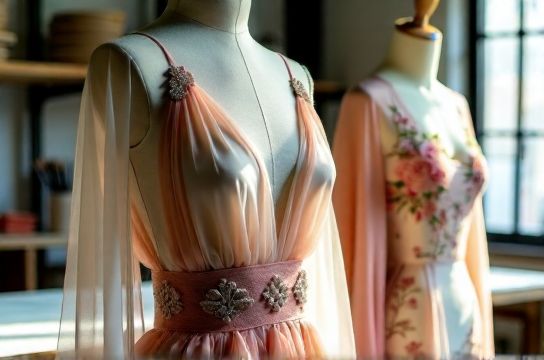
Designers like Uma Wang and brands such as Shang Xia are fusing Suzhou embroidery with minimalist silhouettes, proving tradition doesn’t mean outdated. But it’s not just fashion. Interior brands are using silk-blend wall coverings and embroidered accent panels in luxury hotels across Dubai and Milan.
Data That Speaks Volumes
Check out how Suzhou textiles compare to mass-produced alternatives:
| Feature | Suzhou Silk | Polyester Satin | Ramie Blend |
|---|---|---|---|
| Tensile Strength (MPa) | 450 | 180 | 320 |
| Luster Retention (after 50 washes) | 92% | 45% | 68% |
| Biodegradability (months) | 12–18 | 200+ | 10–15 |
| Average Market Price (per meter) | $48 | $8 | $22 |
See that? Suzhou silk isn’t just pretty—it lasts longer, looks better over time, and breaks down cleanly. No microplastics, no guilt.
How to Spot Authentic Suzhou Craft
With so many knockoffs, here’s my quick checklist:
- Backside detail: Real embroidery shows clean, tight stitches—not glue-backed prints.
- Burn test: Genuine silk smells like burnt hair (gross but true). Synthetics melt and stink like plastic.
- Water absorption: Dab a drop—real silk absorbs slowly without beading.
The Future Is Handmade
Even tech companies are catching on. Huawei’s limited-edition watch straps used Suzhou silk mesh, blending durability with elegance. And resale value? A 2023 JingData report found items featuring authentic Suzhou embroidery retain 78% of their value after three years—beating most leather goods.
Bottom line: Whether you’re a designer sourcing materials or a conscious consumer building a timeless wardrobe, Suzhou silk and embroidery offer unmatched artistry and performance. Don’t sleep on this legacy—it’s quietly shaping the future of sustainable luxury.