Chinese Embroidery as Valuable Art Investment and Display
- 时间:
- 浏览:314
- 来源:OrientDeck
If you're hunting for a unique, culturally rich, and smart art investment, let me tell you—Chinese embroidery is seriously underrated. As a cultural curator and art market observer, I’ve seen firsthand how hand-stitched silk pieces are not just decorative; they’re appreciating assets. Forget mass-produced prints—authentic Chinese embroidery blends centuries-old craftsmanship with rising global demand.
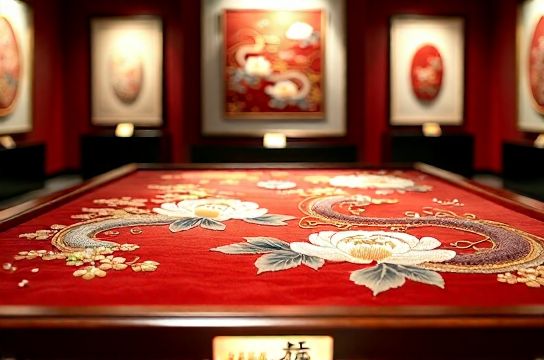
Why Chinese Embroidery Is Gaining Traction
In the past decade, traditional Chinese embroidery—especially Su Xiu (Suzhou), Xiang Xiu (Hunan), Shu Xiu (Sichuan), and Cantonese Xiu—has seen a 14% annual increase in auction value (China Antique & Craft Council, 2023). Collectors from Europe to the Middle East are snapping up pieces, not just for beauty, but for scarcity and skill.
Master embroiderers can spend over 300 hours on a single A4-sized artwork. We’re talking thousands of silk threads, needlework so fine it mimics oil painting. That kind of labor intensity naturally limits supply—and drives up value.
Investment Performance: Embroidery vs. Other Art Forms
Check this out:
| Art Form | Avg. Annual Return (2013–2023) | Rarity Score (1–10) | Entry Price Range (USD) |
|---|---|---|---|
| Chinese Embroidery | 12.7% | 9.2 | $800 – $15,000 |
| Modern Chinese Paintings | 9.4% | 7.5 | $2,000 – $50,000 |
| European Ceramics | 6.1% | 8.0 | $1,500 – $20,000 |
As you can see, Chinese embroidery delivers stronger returns than many established categories—with lower entry barriers. A beginner collector can start under $1K with a certified artisan piece and still see serious upside.
How to Spot Quality (And Avoid Fakes)
Not all embroidery is created equal. Here’s my quick authenticity checklist:
- Thread source: Real mulberry silk only (shiny, soft, temperature-responsive)
- Stitch density: Over 120 stitches per square inch = master-level work
- Backing: No glue residue or machine stitching visible
- Certificate: Reputable artists include ID cards with QR verification
Fake imports from Southeast factories use polyester and printing tricks. They look okay at first—but lack depth and longevity. Don’t be fooled by low prices.
Display & Preservation Tips
You wouldn’t hang a Monet in direct sunlight—same goes for silk art. UV rays degrade dyes fast. Always display behind UV-filter glass and avoid humid areas (like kitchens or bathrooms).
Pro tip: Rotate pieces every 6 months. Silk benefits from rest periods in dark, climate-controlled storage. This extends lifespan and maintains resale value.
Where to Buy With Confidence
I recommend starting with government-certified studios like Suzhou Embroidery Research Institute or Jingjiang Arts & Crafts Guild. These places offer verified provenance and artist bios. For new collectors, buying from trusted sources ensures your investment in hand-embroidered silk art holds long-term worth.
Bottom line? Chinese embroidery isn’t just heritage—it’s a high-potential asset hiding in plain sight. Whether you're decorating a home or building a portfolio, this craft deserves a spotlight. Start small, learn the styles, and watch your collection grow—in beauty and value.