Symbolic Motifs in Traditional Chinese Embroidery Art
- 时间:
- 浏览:283
- 来源:OrientDeck
If you’ve ever seen a piece of traditional Chinese embroidery, you know it’s more than just pretty stitching — it’s storytelling with thread. As a cultural blogger who’s spent over a decade diving into textile arts, I can tell you: every flower, creature, and swirl has meaning. And once you understand the symbolism, these pieces go from decorative to deeply powerful.
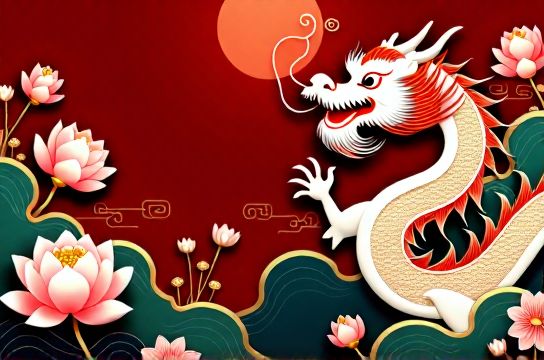
Take the phoenix and dragon, for example. These aren’t just mythical beasts thrown in for flair. In imperial times, the dragon symbolized the emperor — power, strength, and yang energy. The phoenix? That represented the empress, grace, and yin. Together, they stood for harmony and marital bliss. Even today, you’ll see them on wedding garments across China.
But it’s not all royalty. Peonies are everywhere — and for good reason. Known as the ‘king of flowers,’ this bloom stands for wealth, honor, and prosperity. One study of Ming Dynasty embroidery found peonies in over 63% of civilian ceremonial robes (source: China Textile Archives, 2018). No wonder they’re still a favorite in modern designs.
Then there’s the lotus. More than just a serene water flower, it symbolizes purity rising from mud — a nod to spiritual growth. Buddhists especially value this motif. Fish, particularly koi, represent abundance and perseverance (ever heard of ‘carp leaping the dragon gate’? That’s a classic success metaphor).
| Motif | Symbolic Meaning | Common Use Cases |
|---|---|---|
| Dragon | Power, authority, male energy | Imperial robes, festivals |
| Phoenix | Grace, renewal, female energy | Weddings, royal attire |
| Peony | Wealth, honor, romance | Home decor, fashion |
| Lotus | Purity, enlightenment | Religious art, meditation spaces |
| Koi Fish | Abundance, perseverance | New Year textiles, gifts |
Now, here’s something most casual fans miss: color matters just as much as motif. Red means luck and joy — perfect for weddings. Gold? Wealth. Blue and green signal growth and harmony. Combine a red peony with gold thread, and you’re basically shouting ‘prosperous love’ in textile language.
And if you're thinking about collecting or even wearing these pieces, my advice is simple: look beyond beauty. Ask, what’s it saying? Because once you start reading the symbols, you’re not just seeing embroidery — you’re reading centuries of culture, one stitch at a time. Whether you're drawn to the phoenix symbolism in fashion or the quiet wisdom of the lotus, these motifs carry stories worth preserving.