The Role of Silk in Chinese Cultural Expression
- 时间:
- 浏览:231
- 来源:OrientDeck
If you’ve ever held a piece of real silk, you know it’s not just fabric—it’s history, art, and identity woven into something soft and shimmering. As a cultural blogger who’s spent years diving into traditional textiles, I can tell you: silk in China is way more than luxury wear. It’s a symbol of status, diplomacy, and craftsmanship that’s shaped Chinese identity for over 5,000 years.
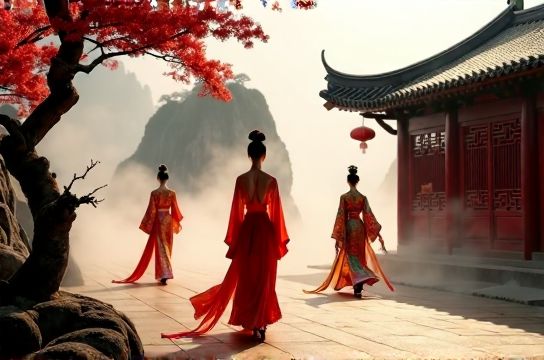
Let’s cut through the noise—while many cultures have fine fabrics, Chinese silk stands out because of its deep roots in philosophy, economy, and global exchange. Did you know silk was so valuable in ancient times that revealing how it was made could get you executed? That’s how serious they were.
Silk wasn’t just worn by emperors and nobles—it powered an entire trade network known as the Silk Road. From 130 BCE, silk traveled from Chang’an (modern Xi’an) all the way to Rome. And guess what? It wasn’t just about clothes. Silk carried ideas, religions, and technologies across continents.
Why Silk Still Matters Today
You might think silk is outdated, but check this: In 2023, China produced over 170,000 metric tons of raw silk, accounting for nearly 80% of global output (China National Textile Council). That’s not just tradition—it’s a thriving industry blending old techniques with modern innovation.
Here’s a quick look at how silk production has evolved:
| Year | Raw Silk Production (metric tons) | Major Export Destinations |
|---|---|---|
| 1950 | 8,500 | Soviet Union, Japan |
| 1980 | 42,000 | USA, Germany, France |
| 2000 | 98,000 | Italy, India, UK |
| 2023 | 172,000 | Global fashion brands, luxury markets |
As you can see, the growth isn’t linear—it’s explosive. And it’s not just volume. Today’s Chinese silk includes high-tech blends used in medical textiles and eco-friendly dyes, proving that silk in Chinese culture keeps evolving without losing its soul.
Silk Beyond Fabric: Art, Identity & Diplomacy
Walk into any Chinese wedding, and you’ll likely see red silk dresses. Why? Because silk symbolizes prosperity, purity, and love. It’s embedded in rituals—from birth to death. Even modern designers like Guo Pei use silk to make haute couture that honors ancestral motifs while speaking to global audiences.
And let’s talk diplomacy: Silk remains a go-to gift for state visits. When Chinese leaders visit Europe, silk scrolls or scarves often accompany official exchanges. It’s soft power, literally.
In short, silk isn’t just a textile. It’s a living thread connecting past and present, local and global. Whether you’re a fashion lover, historian, or curious traveler, understanding silk is key to understanding China itself.