Symbolic Motifs in Traditional Chinese Needlework
- 时间:
- 浏览:200
- 来源:OrientDeck
If you’ve ever flipped through a vintage Chinese textile or watched a period drama with elaborate embroidered robes, you’ve probably noticed the stunning details—dragons swirling on silk, peonies blooming on collars, and phoenixes taking flight across sleeves. But here’s the thing: these aren’t just pretty patterns. In traditional Chinese needlework, every stitch tells a story, and every symbol carries deep cultural meaning.
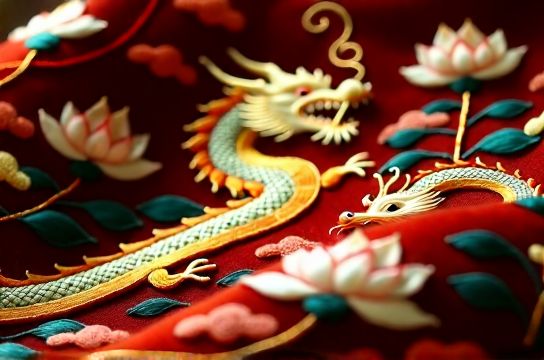
I’ve spent years studying regional embroidery styles—from Suzhou’s delicate double-sided silk to Hunan’s bold Xiang embroidery—and one truth stands out: symbolism is the soul of this craft. Whether it’s a wedding gown, a child’s cap, or a temple offering, the motifs chosen are never random. They’re messages in thread, meant to bless, protect, or proclaim status.
Take the dragon and phoenix duo, for example. You’ll often see them paired on bridal wear. While the dragon (long) represents imperial power and the groom, the phoenix (fenghuang) symbolizes grace, virtue, and the bride. Together, they embody marital harmony and cosmic balance. According to historical records from the Ming Dynasty, only royalty could wear five-clawed dragons—but commoners got creative with four-clawed versions or stylized serpentine forms.
Then there’s nature’s greatest hits: peonies for wealth and honor, lotuses for purity (despite growing in mud—talk about resilience), and bats (yes, really) for luck. Why bats? Because the word for bat, 'fu,' sounds like the word for good fortune. Five bats together? That’s the 'Five Blessings'—longevity, wealth, health, love of virtue, and a peaceful death. Morbid? Maybe. Meaningful? Absolutely.
To help you decode the most common symbols, here’s a quick-reference table:
| Motif | Symbolic Meaning | Common Use Case |
|---|---|---|
| Dragon | Power, masculinity, imperial authority | Imperial robes, male ceremonial wear |
| Phoenix | Grace, feminine virtue, renewal | Bridal gowns, royal women's attire |
| Peony | Wealth, honor, prosperity | Festive clothing, home decor |
| Lotus | Purity, enlightenment, rebirth | Buddhist textiles, children's garments |
| Bat (Fu) | Good fortune, happiness | New Year items, wedding sets |
Now, let’s talk color—because in Chinese embroidery traditions, hue is half the message. Red? It’s the ultimate lucky color, warding off evil spirits and screaming joy. Gold threads aren’t just flashy—they signal prosperity and divine connection. Even thread count matters: Suzhou embroidery can hit 120 stitches per inch, making designs appear almost painterly.
So next time you see an antique embroidered piece, don’t just admire it—read it. These textiles are coded with wishes for a good life, protection from harm, and respect for cosmic order. And honestly, that kind of depth? That’s what makes traditional Chinese needlework not just art, but legacy.