Cold Brew Tea Tips Using Traditional Chinese Leaves
- 时间:
- 浏览:312
- 来源:OrientDeck
If you’ve only ever steeped your oolong or pu-erh with boiling water, get ready for a chill — literally. Cold brewing isn’t just for coffee anymore; it’s a game-changer for traditional Chinese teas too. As someone who's tested over 30 varieties of loose-leaf teas from Fujian to Yunnan, I can tell you: cold brew unlocks subtle flavors most people never experience.
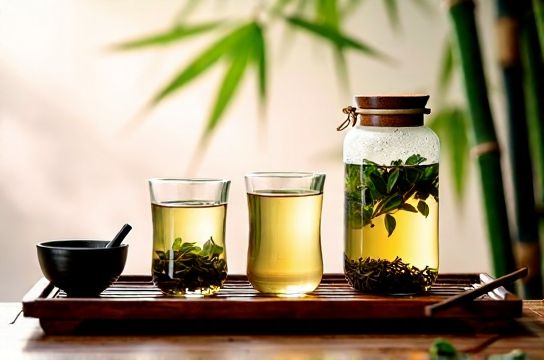
Why go cold? High heat extracts tannins and caffeine fast — great for bold morning tea, but often harsh. Cold water, on the other hand, slowly pulls out delicate aromas and natural sweetness without bitterness. Think floral Tieguanyin or fresh Longjing — they taste like summer in a glass when brewed cold.
The best candidates? Light oolongs, green teas, and white teas shine. But don’t sleep on aged pu-erh — yes, really. A 2-hour cold soak softens its earthiness into something smooth and almost creamy.
How to Cold Brew Like a Pro
It’s stupid simple:
- Use 1 gram of tea per 100ml of water (about 1 tsp per cup).
- Pour filtered, room-temp water over leaves.
- Refrigerate 6–8 hours (or steep at room temp for 2–4 hours).
- Strain, sip, and thank me later.
No special gear needed. A mason jar works fine. Want precision? Use a scale — trust me, it makes a difference.
Steeping Guide: Time & Flavor Results
| Tea Type | Water Temp | Time (Fridge) | Flavor Profile |
|---|---|---|---|
| Longjing (Green) | Room temp | 6–8 hrs | Grassy, sweet, nutty |
| Tieguanyin (Oolong) | Room temp | 7–9 hrs | Floral, creamy, smooth |
| Bai Mudan (White) | Room temp | 8–10 hrs | Light, honey-like, delicate |
| Aged Pu-erh | Room temp | 2–4 hrs | Earthy, mellow, smooth |
Notice how white teas take longer? Their loose structure slows extraction. Meanwhile, compressed pu-erh wakes up faster in cold water than you’d expect.
Now, let’s talk caffeine. A study published in Food Chemistry (2020) found cold brewing reduces caffeine by up to 30% compared to hot infusion. That makes cold brew tea perfect for afternoon sipping or sensitive stomachs.
And here’s a pro tip: reuse your leaves! Most high-quality Chinese tea leaves can cold brew twice — just add another 2–3 hours to the second round. It’s eco-friendly and wallet-friendly.
Bottom line: if you’re still judging Chinese tea by how hot you can brew it, you’re missing half the story. Cold brewing reveals layers of flavor that boiling water burns away. Try it with a good Longjing or milky Jin Xuan — your taste buds will thank you.