Understanding the Culture Behind Chinese Tea Ceremonies
- 时间:
- 浏览:314
- 来源:OrientDeck
If you've ever sipped oolong from a tiny porcelain cup while listening to soft guzheng music, you know — Chinese tea ceremonies are more than just drinking tea. They're a ritual, a meditation, and a deep cultural expression rolled into one. As someone who's attended dozens of traditional sessions across Fujian, Hangzhou, and Yunnan, I’m here to break down what really goes on behind the steamy elegance.
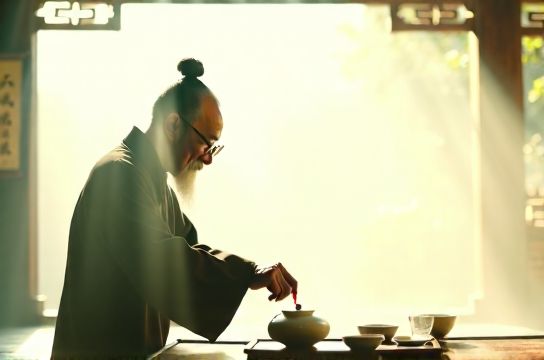
The Heart of the Ritual: Harmony, Respect, Purity, and Tranquility
These four principles — he (harmony), jing (respect), qing (purity), and xi (tranquility) — form the soul of every authentic Chinese tea ceremony. It’s not about showing off expensive teaware; it’s about mindfulness. Think of it like a moving meditation where every gesture — from warming the cups to pouring the rinse water — has meaning.
Tea Types & Their Ceremony Roles
Not all teas are treated equally in these rituals. Here’s a quick breakdown of the most commonly used varieties:
| Tea Type | Origin | Brew Temp (°C) | Steep Time (sec) | Ceremony Frequency |
|---|---|---|---|---|
| Oolong (e.g., Tieguanyin) | Fujian | 90–95 | 15–30 | Very High |
| Pu’er (Shu or Sheng) | Yunnan | 95–100 | 10–20 | High |
| Longjing (Dragon Well) | Zhejiang | 75–80 | 60 | Moderate |
| White Peony (Bai Mudan) | Fujian | 85–90 | 30–45 | Moderate |
Oolongs dominate the scene because of their complexity and ability to be steeped multiple times — sometimes up to 10 infusions! That makes them perfect for gongfu-style brewing, which emphasizes small pots and repeated pours.
Must-Have Tools (And Why They Matter)
- Gaiwan: The lidded bowl that lets you control steep time precisely.
- Cha Hai (Fairness Cup): Ensures each guest gets the same strength — no favoritism!
- Tea Pet: A cute little figurine (often a dragon or frog) that “drinks” tea over time, symbolizing appreciation.
Pro tip: Season your clay Yixing pot with one tea type only. The porous clay absorbs flavor, so mixing green tea and pu’er? Big mistake.
Modern Twists vs. Tradition
While purists may frown, modern cafes in Shanghai and Chengdu now offer mini-ceremonies using pre-packaged tea bags. Convenient? Sure. Authentic? Not quite. According to a 2023 survey by China Tea Marketing Association, only 38% of urban millennials follow full traditional steps — but 72% still value the experience emotionally.
That’s why I recommend starting simple: try a 5-minute version at home. Warm your teaware, rinse the leaves, and pour mindfully. You’ll feel the difference.
In a world of instant gratification, the Chinese tea ceremony is a slow, graceful rebellion. Whether you're sipping alone or hosting friends, it’s a practice worth preserving — one mindful pour at a time.