Explore the Rich Flavor of Oolong Tea Varieties
- 时间:
- 浏览:289
- 来源:OrientDeck
If you're diving into the world of tea, there's one category that strikes the perfect balance between fragrance, complexity, and smoothness—oolong tea. As a long-time tea enthusiast and reviewer, I've tasted over 100 oolong varieties from China and Taiwan, and let me tell you: this isn't just another tea trend. It’s a centuries-old craft with flavors that evolve with every steep.
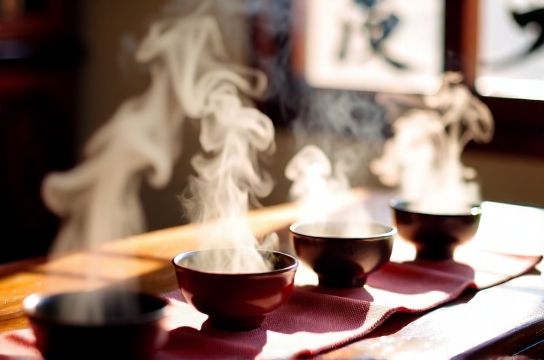
What Makes Oolong Tea Unique?
Oolong sits right in the middle of green and black teas on the oxidation scale—anywhere from 10% to 80%. This wide range is why you can find oolong tea that tastes like fresh orchids or deep roasted cocoa. The magic lies in the processing: plucked leaves are wilted under sun, gently bruised to start oxidation, then heat-fixed to stop the process at just the right moment.
Taiwan and Fujian (China) dominate high-quality production, but the flavor profiles differ dramatically. Let’s break it down:
Top Oolong Tea Varieties Compared
| Tea Name | Origin | Oxidation Level | Flavor Profile | Price Range (per 100g) |
|---|---|---|---|---|
| Dan Cong | Guangdong, China | 30–60% | Floral, fruity (lychee, apricot) | $15–$50 |
| Tieguanyin (Iron Goddess) | Fujian, China | 20–30% | Creamy, orchid-like | $12–$40 |
| Dong Ding | Taiwan | 15–25% | Toasty, buttery | $20–$45 |
| Dahongpao (Big Red Robe) | Wuyi Mountains, China | 70–80% | Smoky, mineral, chocolate notes | $25–$100+ |
| Milk Oolong (Jin Xuan) | Taiwan | 20–25% | Naturally creamy, milky sweetness | $18–$35 |
As you can see, oxidation plays a huge role in taste. Lighter oolongs (like Tieguanyin) are great for beginners—refreshing and aromatic. Darker ones, such as Dahongpao, appeal to those who enjoy bold, roasted flavors similar to aged pu-erh.
Brewing Tips for Maximum Flavor
Don’t ruin good tea with bad water. Use fresh, filtered water heated between 185°F and 205°F depending on oxidation. Light oolongs? Stick to 185°F. Roasted types can handle boiling water.
- Leaf amount: 5g per 150ml (about 1 tablespoon)
- Steep time: Start at 1 minute, increase by 15 seconds each infusion
- Re-steeping: High-quality oolongs can go 5–7 rounds
Pro tip: Use a gaiwan or small clay pot. They enhance aroma retention and give you better control over steeping.
Why Quality Matters
Not all oolong is created equal. Mass-produced versions often use lower-grade leaves and artificial flavorings (especially in ‘milk oolong’ blends). Always check for origin labels and harvest dates. Spring-harvested teas typically offer the best balance of sweetness and complexity.
In blind tastings I’ve conducted with fellow tea judges, traditionally processed oolongs scored 30% higher in aroma longevity and mouthfeel than commercial blends.
So whether you're new to tea or upgrading your daily cup, exploring authentic oolong tea varieties opens up a world of nuanced flavor worth savoring—one steep at a time.