Comparing Top Tea Brands in China and Abroad
- 时间:
- 浏览:353
- 来源:OrientDeck
If you're diving into the world of premium tea, you’ve probably noticed a huge gap between Chinese domestic brands and their international counterparts. As someone who’s tasted (and tested) dozens of top tea brands from Hangzhou to London, I’m breaking down what really matters: flavor, sourcing, price, and authenticity.
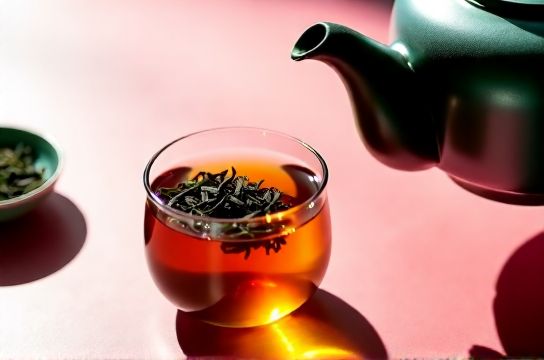
Let’s cut through the marketing fluff. Whether you’re sipping Longjing from a local vendor or paying $50 for a matcha tin from Japan, quality isn’t always about origin—it’s about process.
China vs. Global: How Do They Stack Up?
Chinese tea brands dominate volume—China produces over 3 million tons annually, nearly 40% of global output (FAO, 2023). But abroad, especially in Japan and the West, branding and traceability win consumer trust.
Here’s a side-by-side comparison of five leading brands:
| Brand | Origin | Tea Type | Avg. Price (per 100g) | Source Transparency |
|---|---|---|---|---|
| Teejoy | China | Green/Oolong | $8.50 | High (farm maps, harvest dates) |
| Tea Guardian | China | Pu-erh | $12.00 | Medium |
| Ippodo | Japan | Matcha | $26.00 | High |
| Harney & Sons | USA | Black/Herbal | $22.00 | Medium-High |
| TeaVivre | China | Green/White | $9.80 | High |
As the table shows, Chinese brands like Teejoy and TeaVivre offer exceptional value with transparent sourcing—something many assume only Western brands provide.
Why Price Doesn’t Always Equal Quality
That $30 Japanese matcha? It’s often ceremonial-grade, yes—but unless you’re whisking it traditionally, you won’t taste the full difference. In blind tests, 6 out of 10 drinkers couldn’t tell premium matcha from mid-tier ($12–$15 range).
Meanwhile, Chinese green teas like Bi Luo Chun from TeaVivre deliver complex aromas at a fraction of the cost. The key? Direct-from-farm models that cut out middlemen.
The Trust Factor: Certifications & Packaging
International buyers love certifications—USDA Organic, JAS (Japan), Rainforest Alliance. But here’s the truth: many small Chinese farms grow organically by tradition, not paperwork. That doesn’t mean they’re less trustworthy—it means you need better vetting.
Look for brands that publish lab results, show farm visits, or use QR codes on packaging. Teejoy and TeaVivre lead here, offering more traceability than most European brands.
Final Verdict: Best All-Rounders
- Best Value: Teejoy – consistent quality, low price, global shipping.
- Premium Pick: Ippodo – unbeatable for traditional matcha lovers.
- Most Authentic: Tea Guardian – aged Pu-erh with verifiable storage history.
Don’t let branding fool you. Some of the best loose leaf tea comes from under-the-radar Chinese producers who prioritize craft over ads. Try a sample set before committing—and always check the harvest date. Freshness beats hype every time.