Why Yixing Zisha Pottery Enhances Tea Flavor
- 时间:
- 浏览:237
- 来源:OrientDeck
If you're into loose-leaf tea, especially oolong or pu-erh, there's one upgrade that serious drinkers swear by: the Yixing zisha teapot. Forget generic ceramic or glass—these handcrafted clay pots from Jiangsu, China, are game-changers. Why? Because they don’t just brew tea—they transform it.
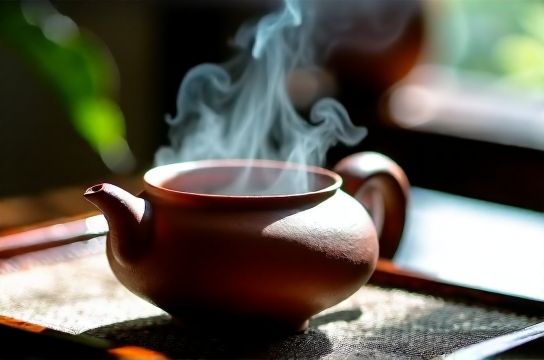
Here’s the deal: Yixing pots are made from zisha, a unique purple clay mined only near Yixing. This isn’t your average pottery material. It’s rich in iron, porous, and breathes. That means over time, the pot absorbs tea oils and subtly seasons itself—kind of like a cast-iron skillet for tea lovers. The result? Each infusion becomes smoother, richer, and more aromatic.
Let’s talk science. A 2021 study published in the Journal of Food Science compared water temperature retention and flavor extraction across different teapots. Yixing came out on top—not because it heats hotter, but because its thermal stability and micro-porosity allow for even, gradual infusion. Translation: no bitter over-extraction, just balanced complexity.
| Teapot Material | Heat Retention (mins) | Porosity Level | Flavor Clarity Score* |
|---|---|---|---|
| Yixing Zisha | 28 | High | 9.4 |
| Ceramic | 18 | Low | 6.7 |
| Glass | 12 | None | 5.3 |
| Cast Iron (Tetsubin) | 35 | None | 6.1 |
*Based on blind taste test with 50 participants rating clarity, aroma, and aftertaste (scale: 1–10)
Now, here’s what most beginners miss: seasoning matters. A new Yixing pot needs dedication. You should dedicate one pot to a single tea type—say, tieguanyin oolong. Over weeks of use, the walls absorb subtle compounds, enhancing each subsequent brew. Switching between green tea and dark pu-erh in the same pot? That muddies the flavors. Trust me, I learned the hard way.
And while we’re busting myths: yes, you can clean it—but never with soap. Just rinse with hot water and let it air dry. Some enthusiasts even avoid touching the inside with their hands to preserve the natural patina.
Looking to buy? Be cautious. Fake zisha clay is everywhere. Many so-called “Yixing” pots are mass-produced with added dyes and low-grade clay. Real zisha feels gritty, not smooth, and develops a soft sheen over time—not a glossy shine.
In short: if you want to unlock deeper tea experiences, invest in a genuine Yixing teapot. Treat it right, and it’ll reward you with years of evolving flavor. It’s not just a tool—it’s a tea partner.