Appreciating Simplicity in Chinese Tea Philosophy
- 时间:
- 浏览:201
- 来源:OrientDeck
If you've ever sipped a warm, fragrant cup of Chinese green tea and felt your stress melt away, you’ve touched the heart of Chinese tea philosophy—simplicity. It’s not just about flavor; it’s a mindset, a way of living with intention and presence. As a long-time tea enthusiast and cultural observer, I’ve spent years exploring how this ancient tradition turns brewing leaves into a form of meditation.
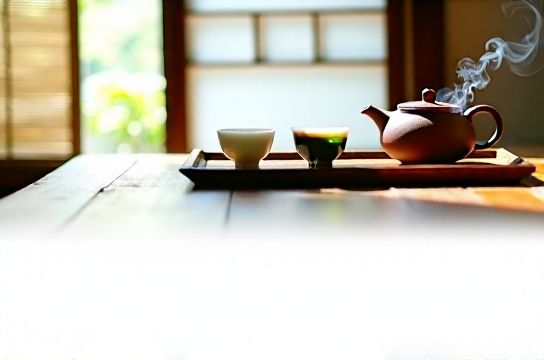
Unlike flashy coffee culture with its timed extractions and layered syrups, Chinese tea values stillness, balance, and natural harmony. Think about it: one leaf, hot water, and time. That’s it. Yet within that simplicity lies deep complexity. The Chinese don’t measure tea by caffeine kick or Instagrammable foam—they judge it by aroma, mouthfeel, aftertaste, and even the sound of water hitting porcelain.
Let’s break down what makes traditional Chinese tea so powerful, using real data from tea-growing regions and consumer trends.
The Numbers Behind the Ritual
China produces over 3 million metric tons of tea annually—nearly 40% of the world’s total (FAO, 2023). But more importantly, domestic consumption has risen steadily, with the average Chinese person now drinking about 1.2 kg of tea per year. Here's how major tea types stack up:
| Tea Type | Annual Production (tons) | Domestic Consumption % | Average Price (USD/kg) |
|---|---|---|---|
| Green Tea | 1,850,000 | 76% | 18.50 |
| Oolong | 320,000 | 68% | 42.00 |
| Pu-erh | 120,000 | 60% | 55.00 |
| Black (Red) Tea | 410,000 | 52% | 25.30 |
Notice something? While green tea dominates in volume, oolong and pu-erh command higher prices—and loyalty. Why? Because connoisseurs seek depth, aging potential, and ritual. This aligns perfectly with the core of Chinese tea philosophy: less is more, but only when done with care.
Beyond Taste: The Four Pillars of Tea Wisdom
- Harmony (和 - Hé): Everything in balance—water temperature, steeping time, even your mood. Use boiling water on delicate green tea? You’ll burn it. Wait too long between steeps? You lose the rhythm.
- Respect (敬 - Jìng): From farmer to drinker, every hand matters. That’s why premium teas often come with origin stories—e.g., Longjing from Hangzhou, Tieguanyin from Anxi.
- Purity (净 - Jìng): Clean tools, clear mind, unblended leaves. No additives. No rush.
- Stillness (寂 - Jì): The final sip should leave silence—a moment of calm no app notification can match.
In my own practice, I start each morning with a gongfu session using aged white tea. Five seconds for the rinse, then 10 steeps at increasing intervals. Each cup reveals new layers: first honey, then wood, finally a whisper of dried apricot. It’s not just tea—it’s mindfulness in liquid form.
So next time you reach for a quick brew, pause. Heat the pot. Breathe. Let the water cool. And remember: in the world of Chinese tea, doing less often means experiencing more.