Understanding Vintage Aged Pu Erh Market Value
- 时间:
- 浏览:354
- 来源:OrientDeck
If you've ever wandered into a Chinese tea shop or scrolled through premium tea listings online, you’ve probably seen vintage aged Pu Erh commanding some serious prices. But what actually determines the market value of these fermented teas? As someone who’s spent over a decade tasting, collecting, and trading aged Pu Erh, let me break it down in plain terms—no fluff, just real insights.
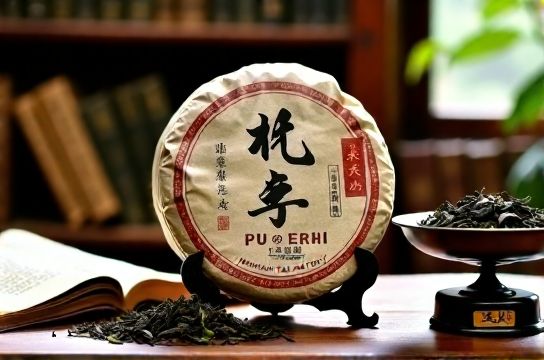
First off, not all aged Pu Erh is created equal. The idea that “older = better” is a myth pushed by new collectors. In reality, value depends on a mix of origin, storage conditions, production year, and brand reputation. Let’s look at the key factors:
- Production Year & Vintage: Certain years are legendary. For example, pre-2005 cakes from Yunnan’s Bingdao or Menghai regions are highly sought after due to tighter quality control and traditional methods.
- Storage Method: Dry vs. wet storage changes flavor and value. Dry-stored teas (common in Hong Kong and Taiwan) age slower but preserve clarity and complexity—often fetching 30–50% more than wet-stored equivalents.
- Producer & Factory: Brands like Dayi or Menghai Tea Factory dominate collector markets. Their 1996 or 2003 batches regularly sell for $500+ per cake.
Let’s put this into perspective with actual market data from recent auction results and trusted vendor listings:
| Brand | Year | Origin | Storage Type | Avg. Market Price (USD) |
|---|---|---|---|---|
| Dayi | 2003 | Menghai | Dry | 620 |
| Menghai | 1996 | Menghai | Dry | 850 |
| Chow Tai Fook | 2005 | Bingdao | Wet | 290 |
| Xizihao | 2010 | Xishuangbanna | Dry | 180 |
Notice how the 1996 Menghai tea outprices even newer Bingdao variants? That’s because provenance and consistent dry storage add massive premium. Also, limited production runs increase scarcity—another hidden driver.
Now, here’s a pro tip: always verify authenticity. Counterfeit aged Pu Erh is rampant. Look for factory codes, wrapper consistency, and when possible, buy from reputable vendors with lab-tested samples.
In short, if you're investing in vintage aged Pu Erh, focus on dry-stored, well-documented cakes from top factories. Don’t chase age alone—chase quality. And remember, drinking it is half the joy. After all, no amount of resale value beats that deep, earthy sip of a perfectly aged 2003 Dayi cake.