The Influence of Climate on White Tea Quality
- 时间:
- 浏览:286
- 来源:OrientDeck
Let’s talk real talk — if you're into high-quality white tea, you already know it’s not just about the leaves. It’s about where those leaves grow, and more importantly, how the climate shapes their flavor, aroma, and overall quality. As someone who’s tasted hundreds of Bai Mudan and Silver Needle batches from Fujian to Yunnan, I can tell you: climate isn’t just a factor — it’s the game-changer.
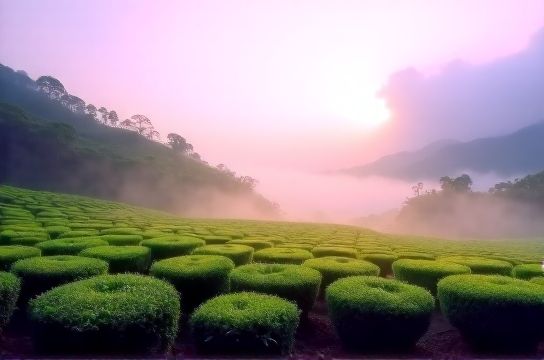
Why Weather Makes or Breaks Your Cup
White tea is minimally processed, which means it retains more of its natural characteristics than black or oolong teas. That’s great… unless the growing conditions are off. Because there's less processing to 'correct' flaws, the leaf quality is directly tied to environmental factors like temperature, rainfall, humidity, and even cloud cover.
Take Fuding, China — the spiritual home of white tea. Its coastal climate provides cool springs, frequent morning mists, and well-drained acidic soils. These conditions slow down leaf growth, allowing more complex compounds like polyphenols and amino acids (especially L-theanine) to develop. The result? A cup that’s smooth, floral, and naturally sweet.
Climate Zones Compared: How Regions Stack Up
Here’s a quick breakdown of how different climates impact key quality markers in white tea:
| Region | Avg. Spring Temp (°C) | Annual Rainfall (mm) | L-Theanine Level (mg/g) | Flavor Profile |
|---|---|---|---|---|
| Fuding, China | 12–18 | 1,600 | 3.8 | Floral, honeyed, delicate |
| Zhenghe, China | 15–20 | 1,800 | 3.2 | Richer, woody, fuller body |
| Yunnan, China | 18–22 | 1,200 | 2.5 | Bolder, earthier, slightly astringent |
As you can see, climate directly influences chemical composition, which translates to taste. Cooler = slower growth = more nuance. Warmer = faster growth = stronger but less refined notes.
Spring Harvest: The Sweet Spot
The best white teas come from early spring harvests (late March to early April), when daytime temps are mild and nighttime lows preserve moisture and nutrients. This narrow window produces the highest concentration of aromatic compounds. Miss it by a few weeks, and you’re dealing with tougher leaves and grassier flavors.
And don’t get me started on rain. Excessive rainfall before harvest dilutes flavor and increases oxidation risk during drying. That’s why top-tier producers monitor weather obsessively — because one storm can wipe out a month’s work.
What This Means for Buyers
If you're serious about quality, check the origin and harvest date. A true Fuding Bai Hao Yin Zhen from early spring will outperform mass-market versions every time. Look for tight, silvery buds, a fresh hay-like scent, and a pale golden liquor when brewed.
In short: climate isn’t just background noise. It’s the foundation of flavor. Choose wisely, brew fresh, and let the weather do the work.