Sustainable Practices in Chinese Tea Farming
- 时间:
- 浏览:218
- 来源:OrientDeck
If you're into tea — and especially if you care about where your cup of oolong or green tea really comes from — you’ve probably wondered: is Chinese tea farming actually sustainable? The short answer? It’s complicated. But the long answer? There’s real progress happening, and some farms are leading the charge.
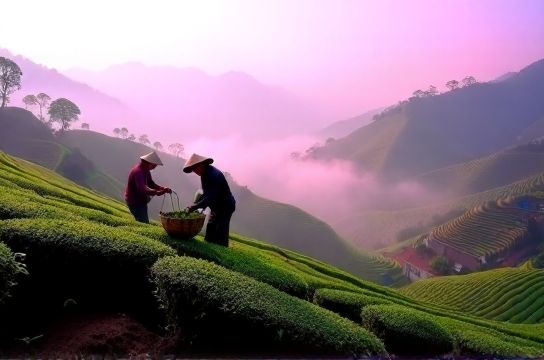
China produces over 2.9 million tons of tea annually (FAO, 2023), making it the world’s largest tea producer. With that scale comes environmental pressure — from pesticide use to soil degradation. But here’s the good news: a growing number of farms are adopting sustainable tea farming practices that protect both the land and the quality of the brew.
Take organic cultivation, for example. In Fujian and Yunnan provinces, more than 15% of tea farms now hold organic certification (China Organic Agriculture Report, 2022). These farms avoid synthetic fertilizers and pesticides, instead using compost, crop rotation, and natural pest control. Not only does this reduce pollution, but it also enhances flavor complexity — something true tea lovers can taste.
Another key trend is shade-grown tea. By planting trees among tea bushes (a method called agroforestry), farmers create microclimates that conserve water, prevent erosion, and support biodiversity. One study in Zhejiang showed a 30% increase in bird species on shaded farms versus monoculture plots.
How Sustainable Are Major Tea Types?
| Tea Type | Common Farming Method | Organic Availability | Water Use (L/kg) |
|---|---|---|---|
| Green Tea | Full sun, high yield | Moderate | 8,500 |
| Oolong | Shade-integrated | High | 6,200 |
| Pu-erh | Old-growth forest gardens | Very High | 4,800 |
| Black Tea | Sun-exposed plantations | Low | 9,100 |
As you can see, not all teas are created equal when it comes to sustainability. Pu-erh tea farming, often grown in ancient forest ecosystems with minimal intervention, ranks among the most eco-friendly. On the flip side, mass-produced black and green teas tend to rely on intensive methods.
One thing I always tell tea drinkers: look beyond the label. Just because something says “natural” doesn’t mean it’s sustainable. Instead, check for third-party certifications like China Organic, EU Organic, or IMO认证. These verify real standards.
And here’s a pro tip: buy directly from small-scale sustainable farms. Many now sell online, offering traceable batches with stories behind each harvest. You’re not just getting better tea — you’re supporting a system that values the earth.
The future of tea? It’s green — but only if we choose wisely.