Historical Evolution of Chinese Tea Drinking from Tang to Qing
- 时间:
- 浏览:315
- 来源:OrientDeck
If you're into tea — and I mean *really* into it — you already know China didn’t just invent tea, they turned it into an art form. But here’s the tea (pun intended): how we drink it today is nothing like how they sipped it back in the Tang Dynasty. Let’s dive into the wild historical evolution of Chinese tea drinking from the Tang to the Qing, and trust me, it’s more dramatic than your favorite historical drama.
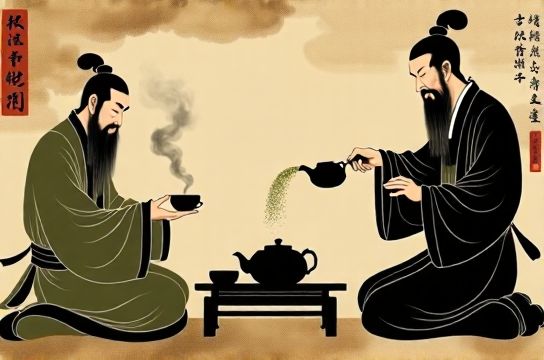
The Tang Dynasty: When Tea Got Classy
Back in the 7th–10th centuries, tea wasn't just a drink — it was poetry in liquid form. Thanks to Lu Yu’s Classic of Tea (《茶经》), published around 760 CE, tea preparation became a refined ritual. People used compressed tea bricks, ground them into powder, then whisked with hot water — sound familiar? That’s basically matcha before Japan made it trendy.
Tea houses began popping up along trade routes, and by the late Tang, over 30% of southern Chinese counties were involved in tea cultivation (Chinese Agricultural History Journal, 2018). The government even started taxing tea — a sign it was big business.
Song Dynasty: The Golden Age of Whisked Tea
If Tang was tea’s debut, Song was its blockbuster era. The elite went all-in on dian cha (点茶) — whipping powdered tea into a frothy masterpiece. Competitions judged foam quality like it was Olympic sport. Yes, people competed over tea bubbles.
But here's the twist: while the upper class was frothing away, loose-leaf tea quietly gained popularity among commoners. This sets the stage for a major shift.
Ming Revolution: Loose Leaf Takes Over
Enter the Ming Dynasty (1368–1644). Emperor Hongwu said, 'Enough with the bricks!' and banned compressed tea. Why? Simplicity and anti-luxury vibes. Suddenly, loose-leaf steeping became the norm. This also gave rise to oolong and black teas as processing techniques evolved.
This shift changed everything — including teaware. Enter the Yixing clay pot, prized for enhancing flavor with each brew. Collectors still fight over vintage ones today.
Qing Dynasty: Global Trade & Regional Diversity
By the Qing (1644–1912), tea was China’s top export. British demand for black tea fueled the Opium Wars — yes, tea literally shaped world history. In 1800, tea accounted for over 60% of China’s total export value (Economic History Review, 2020).
| Dynasty | Primary Tea Form | Preparation Method | Cultural Significance |
|---|---|---|---|
| Tang | Compressed tea bricks | Powdered & whisked | Ritual, poetry, early commercialization |
| Song | Fine powdered tea | Dian cha (whisking) | Elite art form, competitions |
| Ming | Loose-leaf (green, oolong) | Steeping | Democratization, teapot culture |
| Qing | Black tea, pu-erh | Steeping, aging | Global trade, regional specialties |
From Fujian’s lapsang souchong to Yunnan’s fermented pu-erh, regional diversity exploded. Tea wasn’t just drunk — it was aged, traded, gifted, and weaponized in diplomacy.
Want to explore authentic traditional Chinese tea practices? Start with Ming-era steeping — simple, elegant, and deeply satisfying. Or go full vintage and hunt down a recipe for Tang-style whisked tea. Your taste buds will thank you.
Bottom line: Chinese tea culture didn’t evolve — it revolutionized itself every few centuries. And every sip? It’s history in a cup.