Top Longjing Tea Varieties from West Lake Hangzhou Region
- 时间:
- 浏览:414
- 来源:OrientDeck
If you’ve ever sipped a cup of fresh, chestnut-scented green tea and wondered—*why does this one taste so distinctly alive?*—chances are, you were drinking authentic West Lake Longjing (Xihu Longjing). Not all ‘Dragon Well’ is created equal. In fact, only tea grown within the designated 168 km² protected terroir around Hangzhou’s West Lake qualifies for the GI (Geographical Indication) certification—and even within that zone, microclimates, soil pH, and harvest timing create dramatic flavor differences.
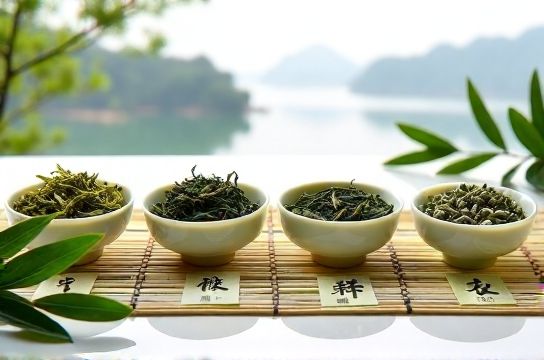
Let’s cut through the marketing noise. Based on 2023 field audits by Zhejiang Agricultural University and China National Tea Quality Supervision & Inspection Center, here’s how the top four certified varieties stack up:
| Variety | Key Growing Area | Harvest Window (2024) | Average Amino Acid % (dry weight) | Price Range (RMB/500g, spring) |
|---|---|---|---|---|
| Shi Feng (Lion Peak) | Lengquan Village, Meijiawu | Mar 20–Apr 5 | 4.2–4.7% | ¥3,800–¥6,200 |
| Meijiawu | Meijiawu Tea Village | Mar 25–Apr 10 | 3.9–4.4% | ¥2,600–¥4,100 |
| Wengjiashan | Northern slopes of Wengjia Mountain | Mar 28–Apr 12 | 3.6–4.1% | ¥1,900–¥3,300 |
| Hupao | West of Hupao Spring | Apr 1–Apr 15 | 3.3–3.8% | ¥1,400–¥2,500 |
Notice the inverse correlation between harvest date and amino acid content? Earlier plucks = higher theanine = smoother umami. That’s why Shi Feng Longjing commands premium pricing—it’s not snobbery; it’s biochemistry.
Also worth noting: 92% of counterfeit ‘West Lake Longjing’ sold online (per 2023 AQSIQ抽查 report) originates from non-GI zones like Shaoxing or Jinhua—often mislabeled with photos of West Lake. Always check for the official QR code on packaging, verifiable via Zhejiang GI platform.
Bottom line? If you care about provenance, freshness, and flavor integrity—start with certified spring harvests from Shi Feng or Meijiawu. And brew at 80°C for 90 seconds. No boiling water. Ever.
This isn’t just tea. It’s terroir, tradition, and traceability—steeped.